
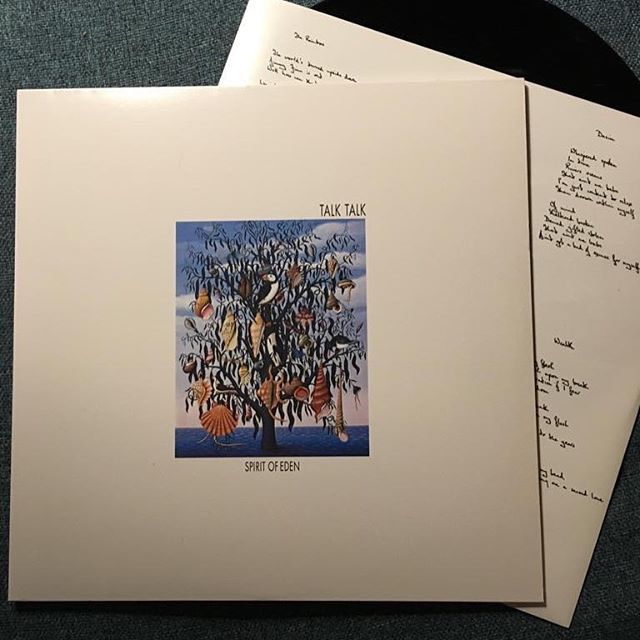
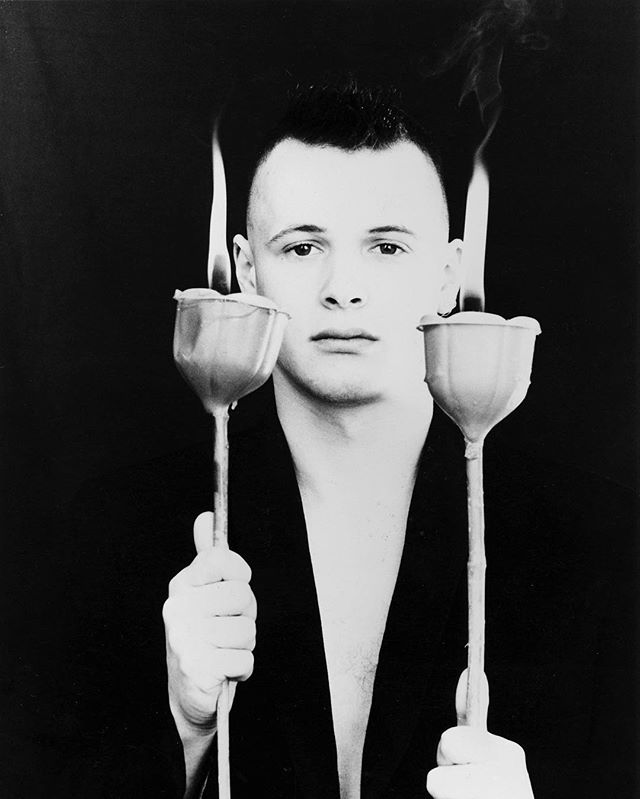
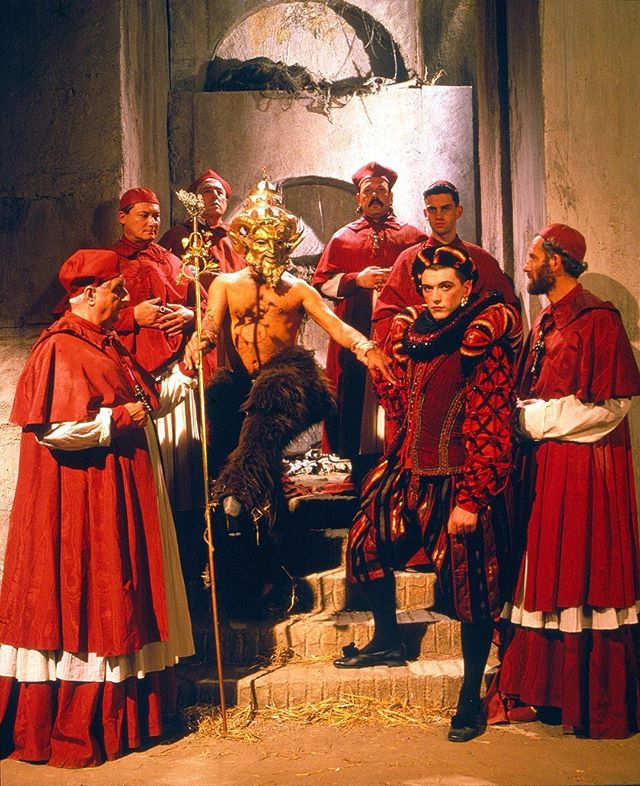
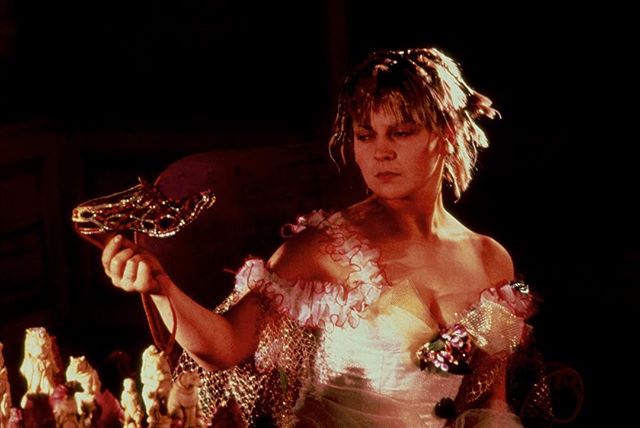
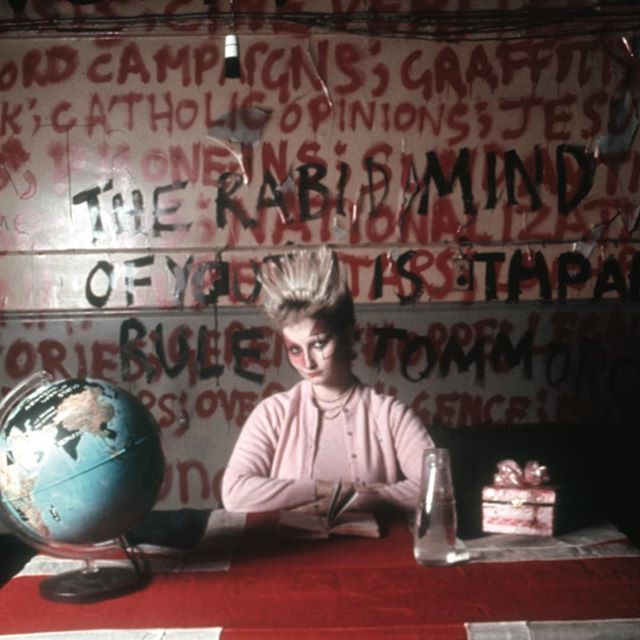

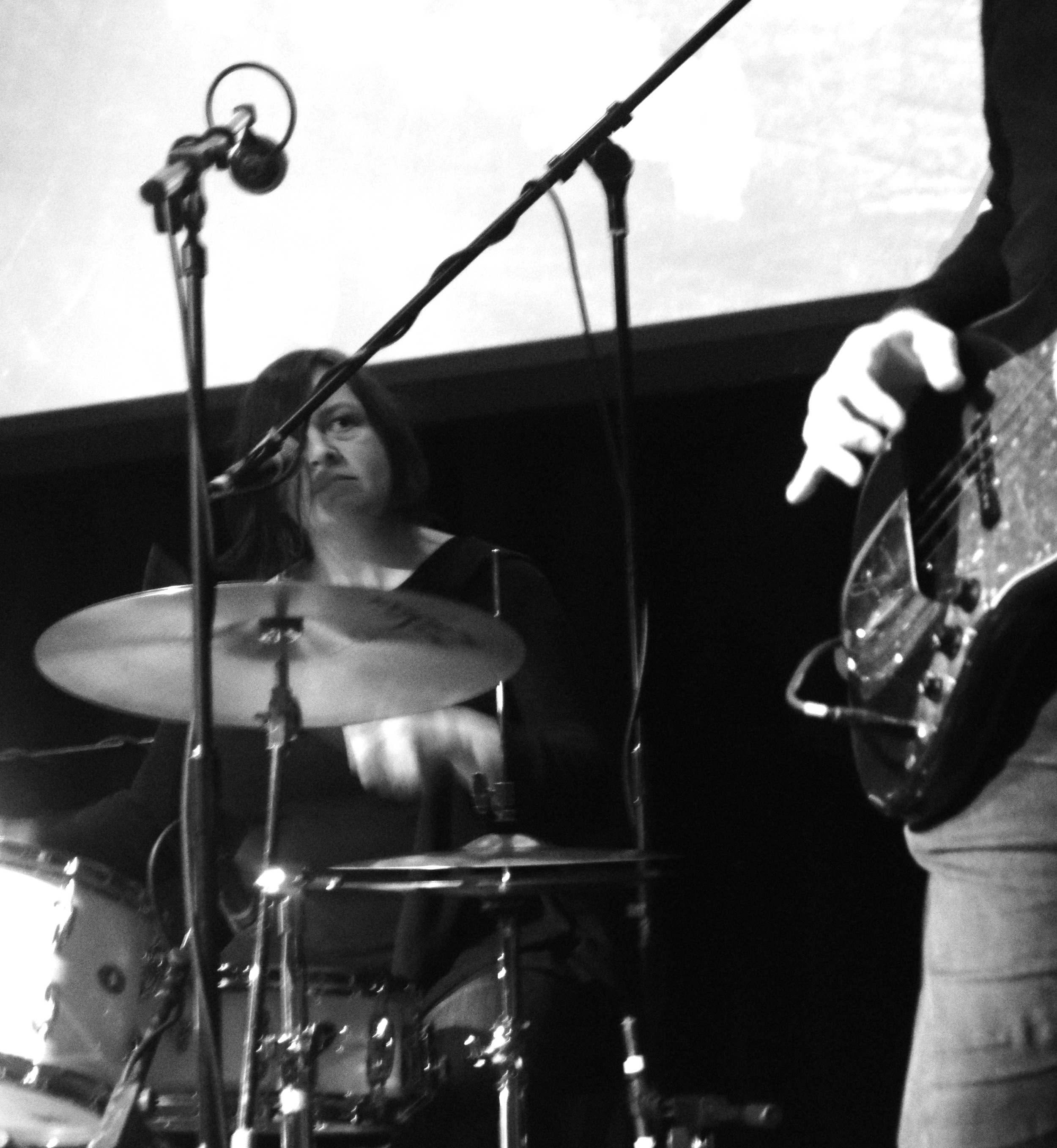
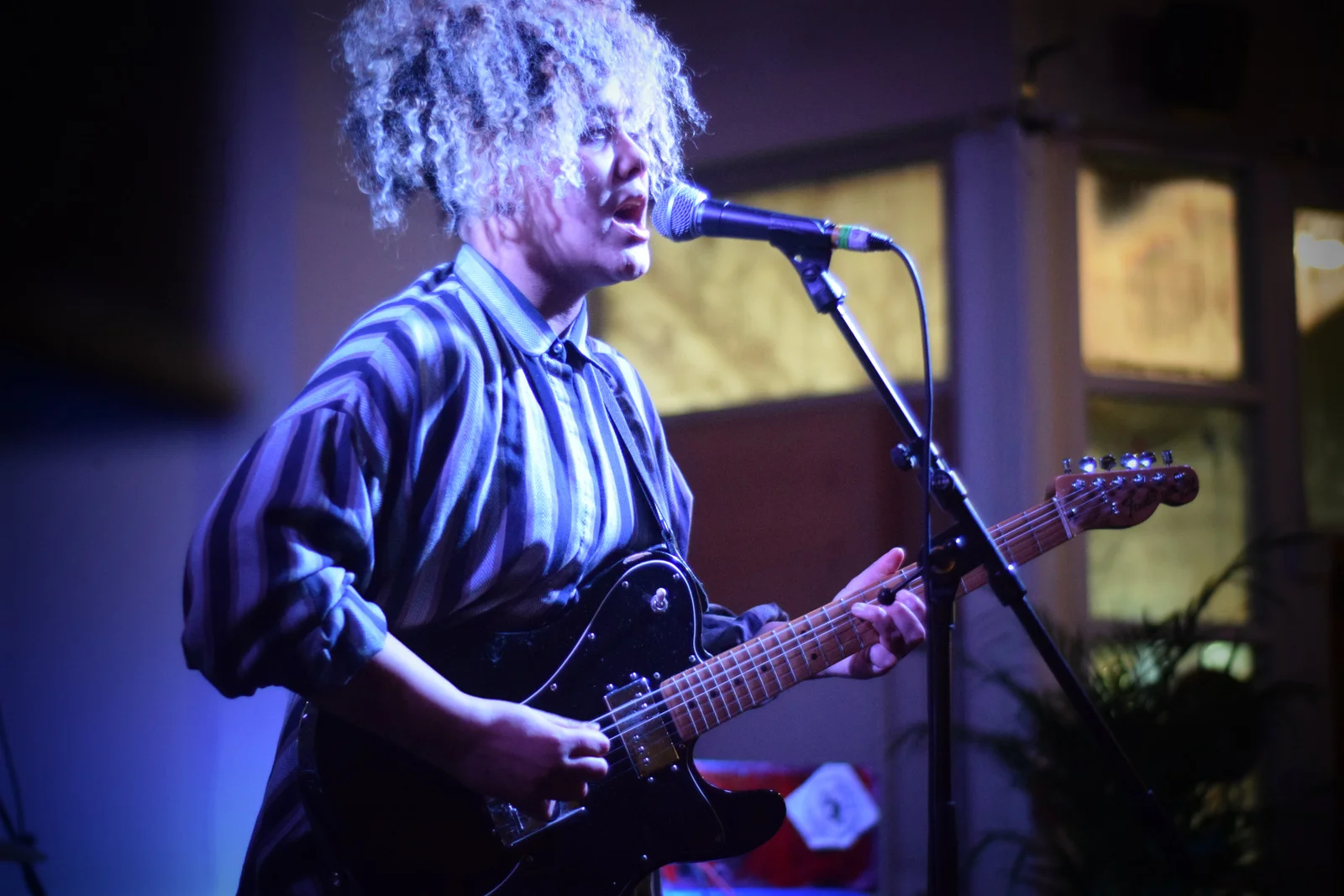
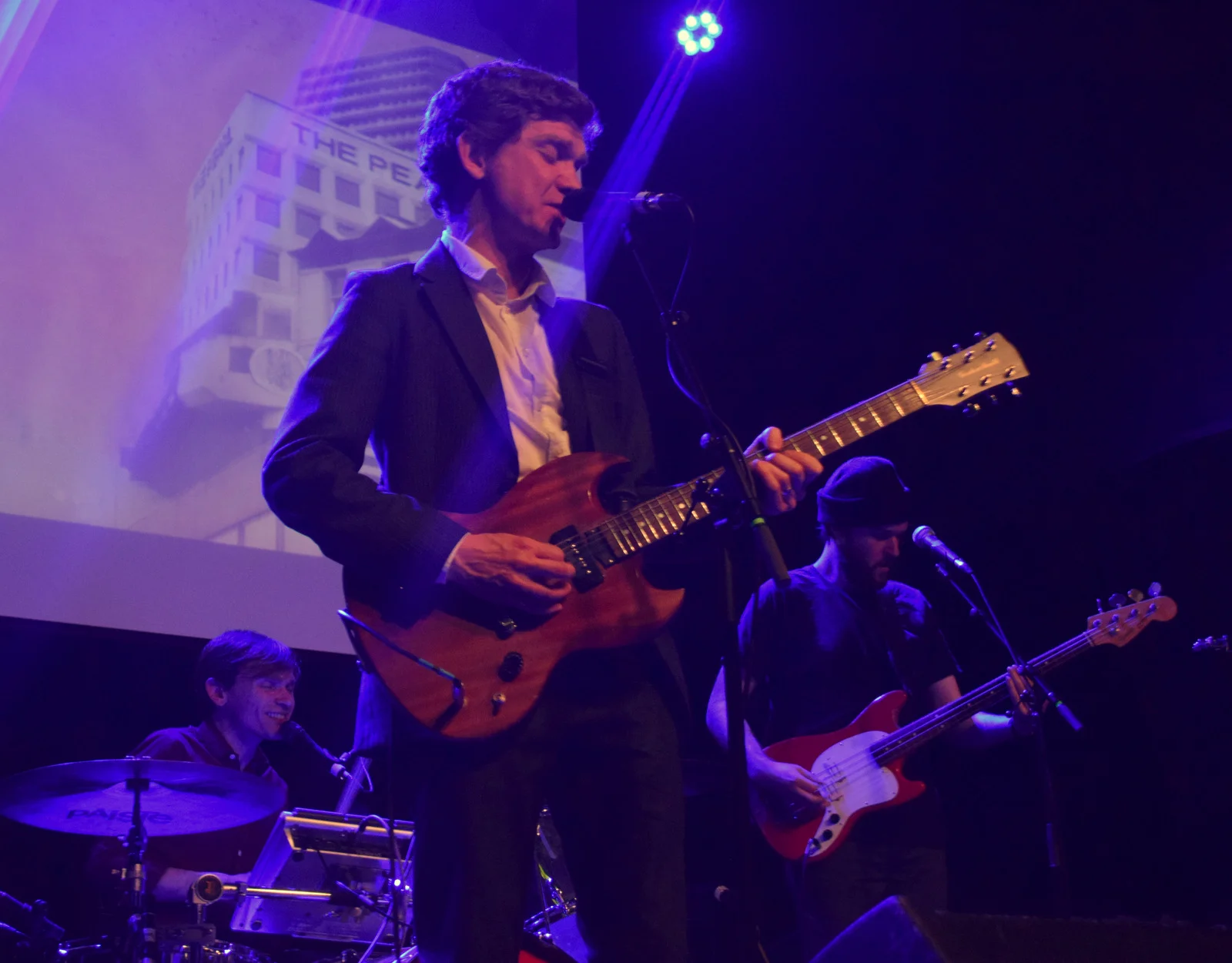
This weekend, the CCA played host a remarkable event, Monorail: A Weekend Abroad. Put together by the so-much-more-than-a record shop, it’s unlikely anyone could’ve walked away from the venue on Saturday night feeling anything other than elated.
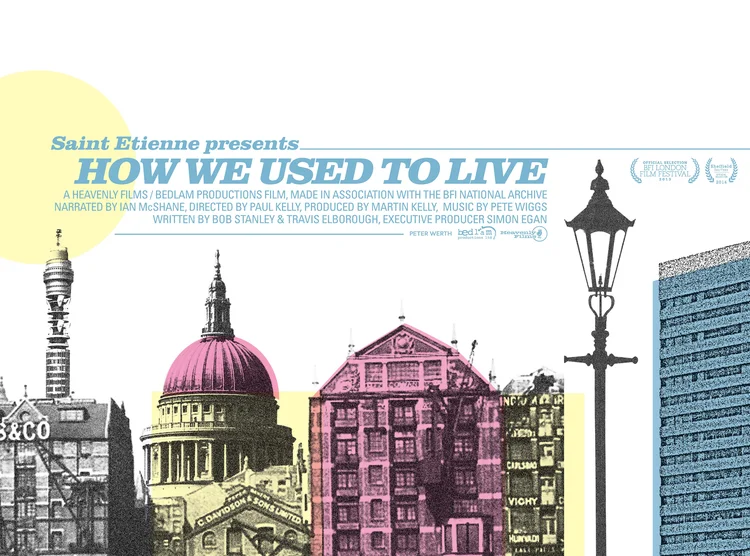
As mentioned earlier in the week, Blasted first encountered the work of Paul Kelly with 2011’s Lawrence of Belgravia. No standard ‘rockumentary’, it was an idiosyncratic portrait of an idiosyncratic figure and a distinctive authorial voice – recently watching through a substantial portion of his work before and since, it was remarkable to note how recognisable and distinctive the voice was to LoB (without even having seen it for three years), and through the disparate subjects and narrative tacks taken in these films. With 2002’s Finisterre he collaborated with Kieran Evans and Saint Etienne to create film accompanying the latter’s album of the same title – no half-arsed ‘music video for every song’ affair, it was a look at a London that fell and falls between the cracks of the popular consciousness that happened to feature the album as its soundtrack.
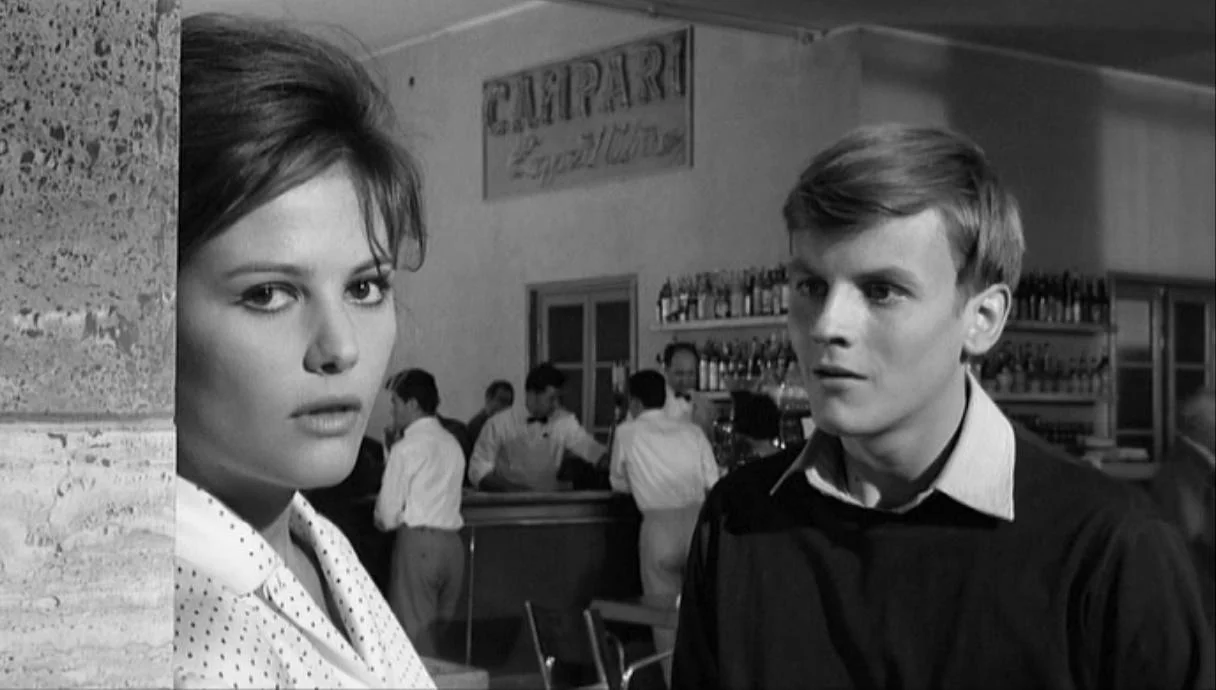
Valerio Zurlini is one of the most criminally underrated directors of all time. Born in Bologna in 1926, he studied law, and later art and painting, before working on a number of short films and making his feature debut with The Girls of San Frediano (Le Ragazze di San Frediano, 1954).
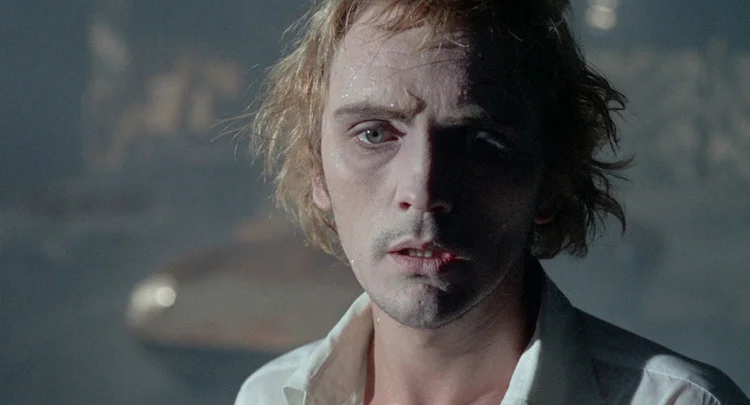
Referring to any Federico Fellini film as a lost gem might seem rather absurd - after all, this is a name that is instantly recognisable to many, a name that has almost become a byword for Italian and European auteur cinema. One just needs to think about his Academy Award winning 1960 film, La Dolce Vita, a work that has helped create a certain popular idea of Italian lifestyle (and has even provided us with the eponym 'paparazzo').
Reel Gone looks at films that we think should receive more exposure and critical attention. It's essentially an excuse to write about things we like, even if they haven't been recently released on DVD or shown in cinemas.
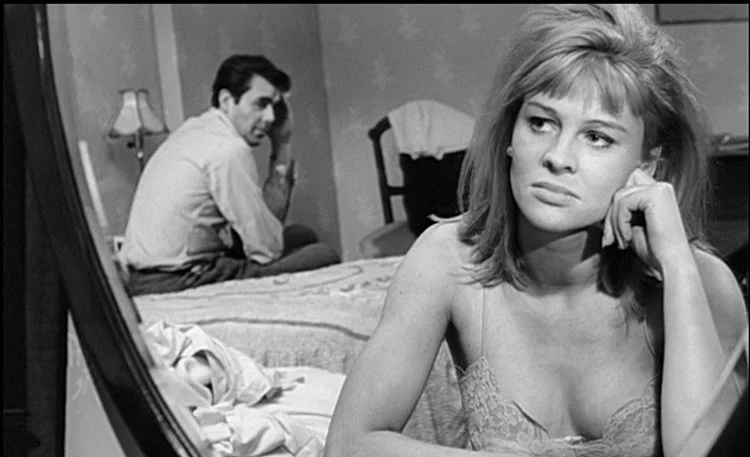
Even if it sits at number 83 in the BFI Top 100 British Films list (and brought Julie Christie an Academy Award win for best actress), John Schlesinger's Darling (1965) is still a bit of a lost classic. Not as loved or even well known as the exuberant and highly inventive Billy Liar (1963), it was dismissed by its own director with some pretty damning words - "It's far too pleased with itself. I wince when I see it now".


Lenzie Moss (AKA Glasgow based singer, songwriter, guitarist and keyboardist Finlay Macdonald) took the time to speak to Andrew R. Hill about the creation of his marvellous debut album (under this alias), his songwriting process and the future.

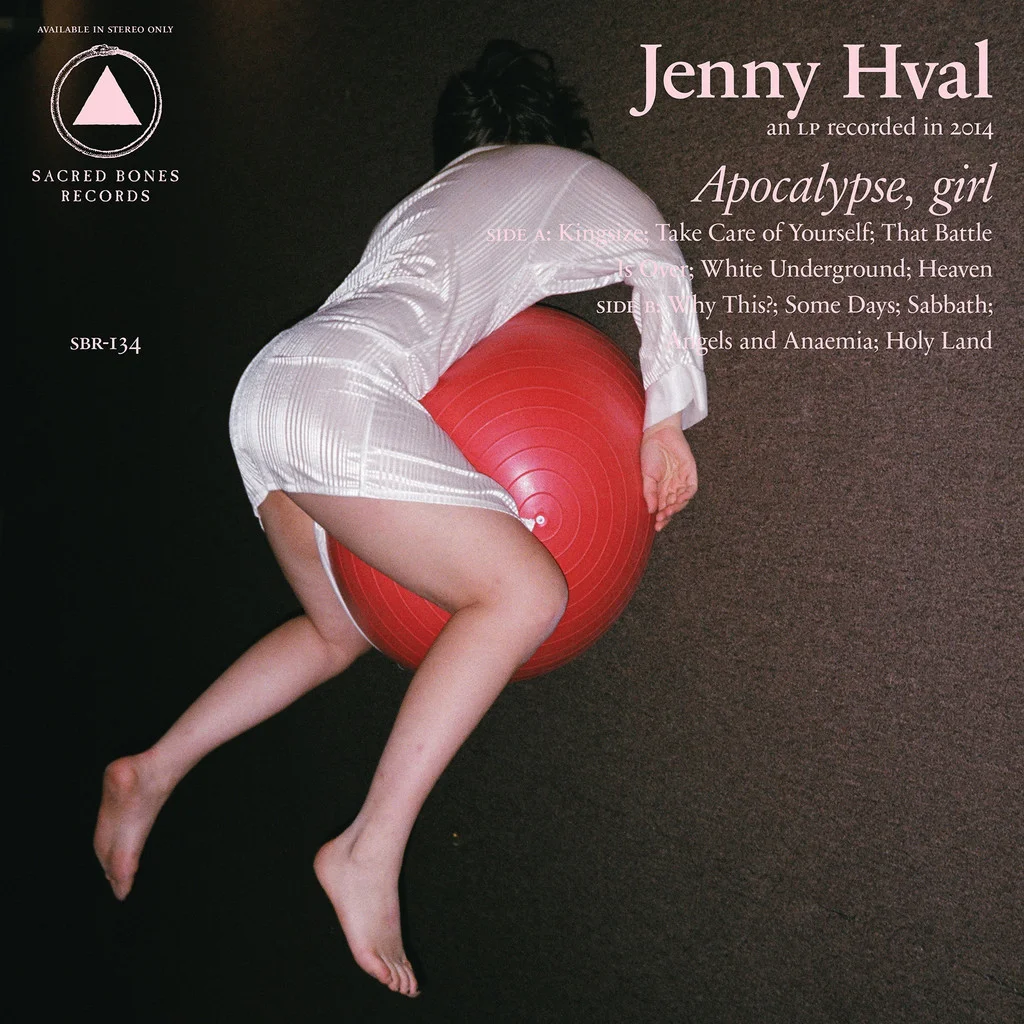
Better late than never. Jenny Hval’s third record under her own name, Apocalypse, Girl, was released a few weeks ago, so why the review now? The record is not an easy one to absorb, but it is essential - each listen unveils a new idea. Hval's progression from 2011’s Viscera through 2013’s Innocence is Kinky, has now taken her into stranger and more compelling lyrical and musical spaces.
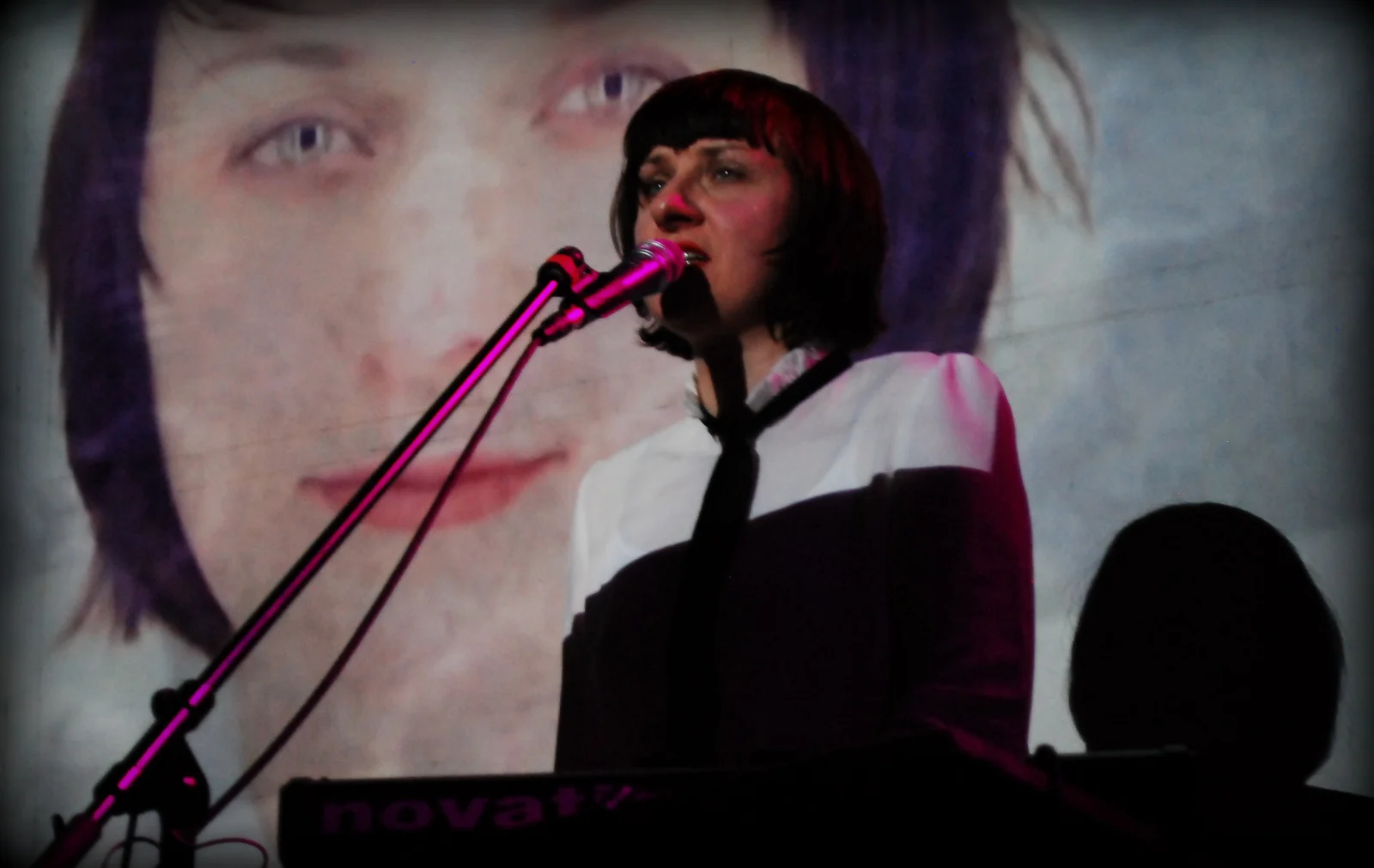
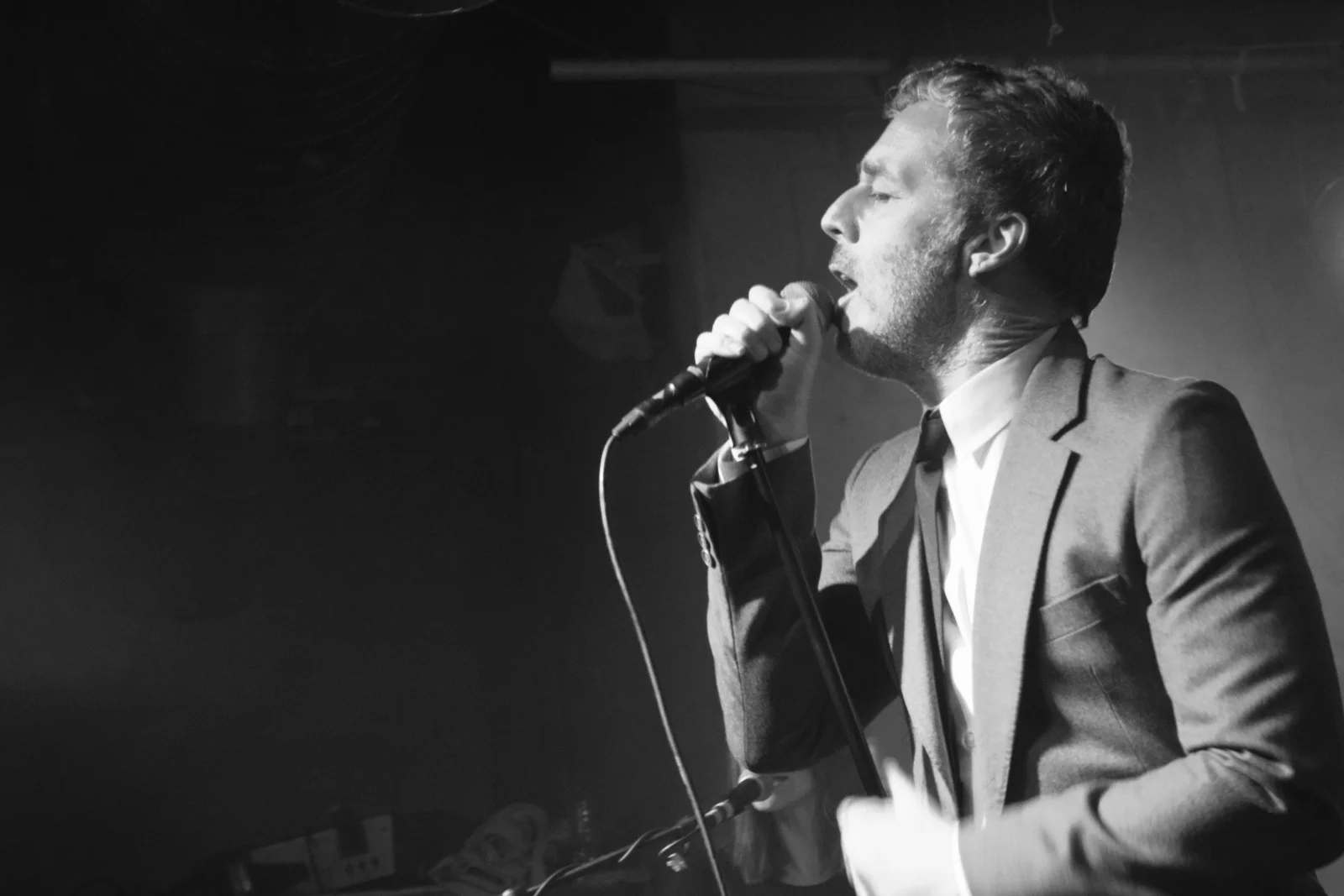
I always find the use of the first person in criticism a little discomfiting, memoirs or op-eds aside, but the live review seems to be a form that invites it, particularly when it’s an experience such as Friday’s gig at Stereo; its viscerally enhanced, of-the-moment nature also brings that well-worn cliché of ‘dancing about architecture’ all too readily to mind, particularly in this case. Perhaps that’s why we don’t do so many on Blasted. But here we go anyway. To reach the venue component of Stereo, the site of many of my favourite gigs, requires a descent into the bowels of the Mackintosh-designed building – we’ll go deeper still later on. The stage has been significantly lowered since I was last here (October, for an astounding Young Marble Giants) and I’ve mixed feelings about it, given how many great performances I’ve seen on (and in front of) the departed platform. There’s no choice but to get down the front now, and I’m glad we do.
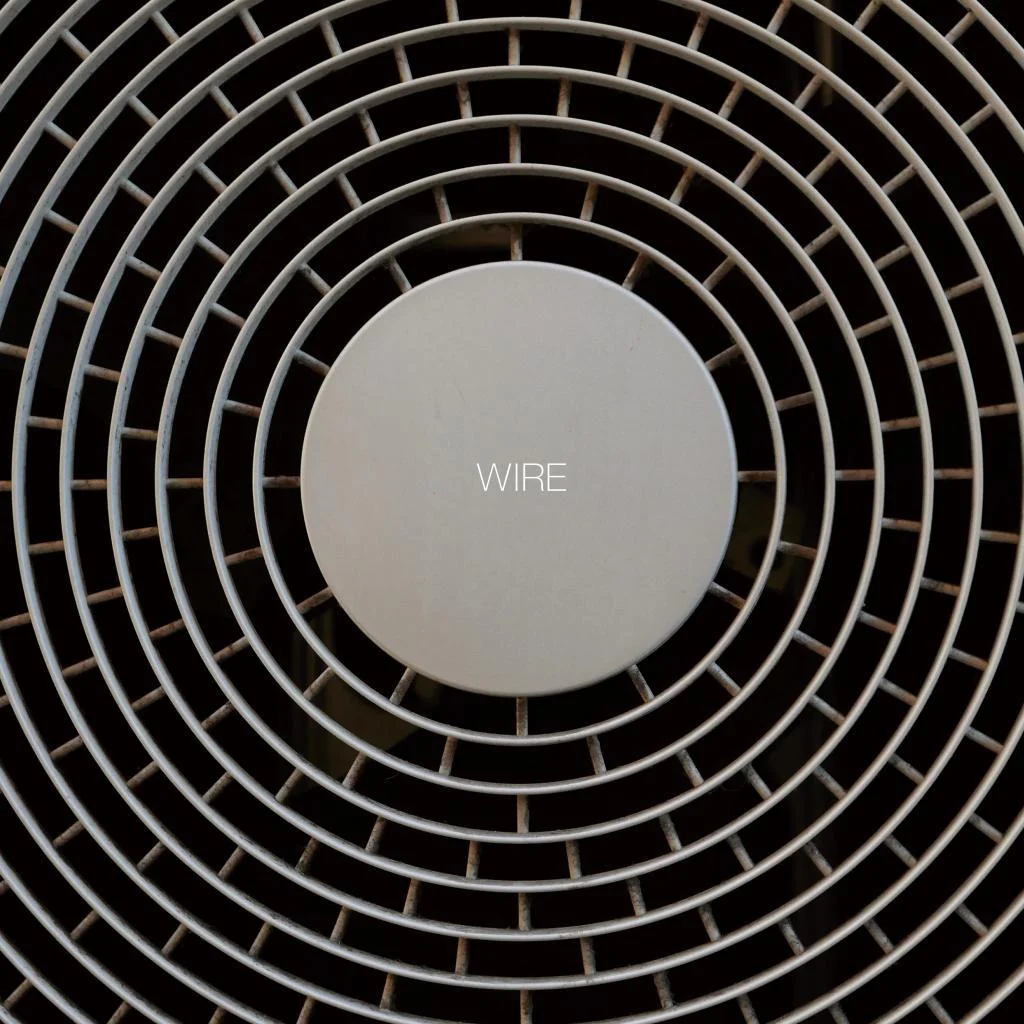
Wire’s last album, 2013’s Change Becomes Us, found them in a rather unusual position – with one foot in the future, and another in the past. Unlike most bands of their age, the latter position was considerably more unusual than the former. It found them dealing with unfinished business, by tackling material that was lost in their first split in 1980. Of course, most of it bore no resemblance whatsoever to those songs (if that’s the right word) that had emerged on 1981’s spectacularly perverse Document & Eyewitness (deservedly reissued last year). Even when Wire are looking back, they can’t help but move forward.
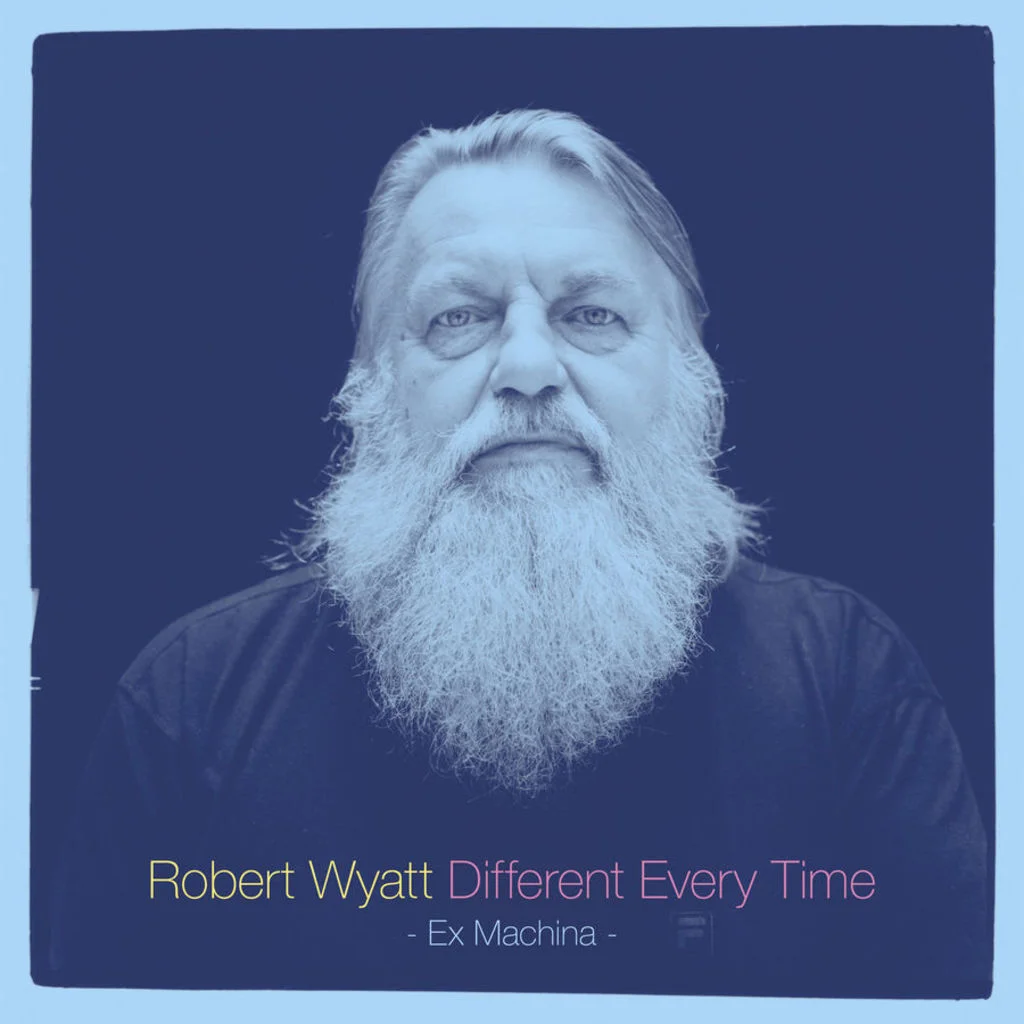
It is no remark upon the quality of Different Every Time to say that it is not a ‘very best of’ Robert Wyatt with designs on the stockings of dads up and down the land - mind you, how long is it before John Lewis get the wrong end of the stick and get Ed Sheeran to cover Shipbuilding for their annual Christmas atrocity, as some little Timothy or other attempts to escape his parentally-inflicted mundane bourgeois suburbia with a box for a boat, a desperately tragic triumph of imagination over commerce that only the great middle-class equaliser can rectify? No, rather, this is an unflinching introduction to the breadth of his work from Soft Machine through Matching Mole through almost every fine solo LP to grace his name, and in chronological order at that. How often does a chronologically-ordered compilation of an artist’s work get better as it goes on?
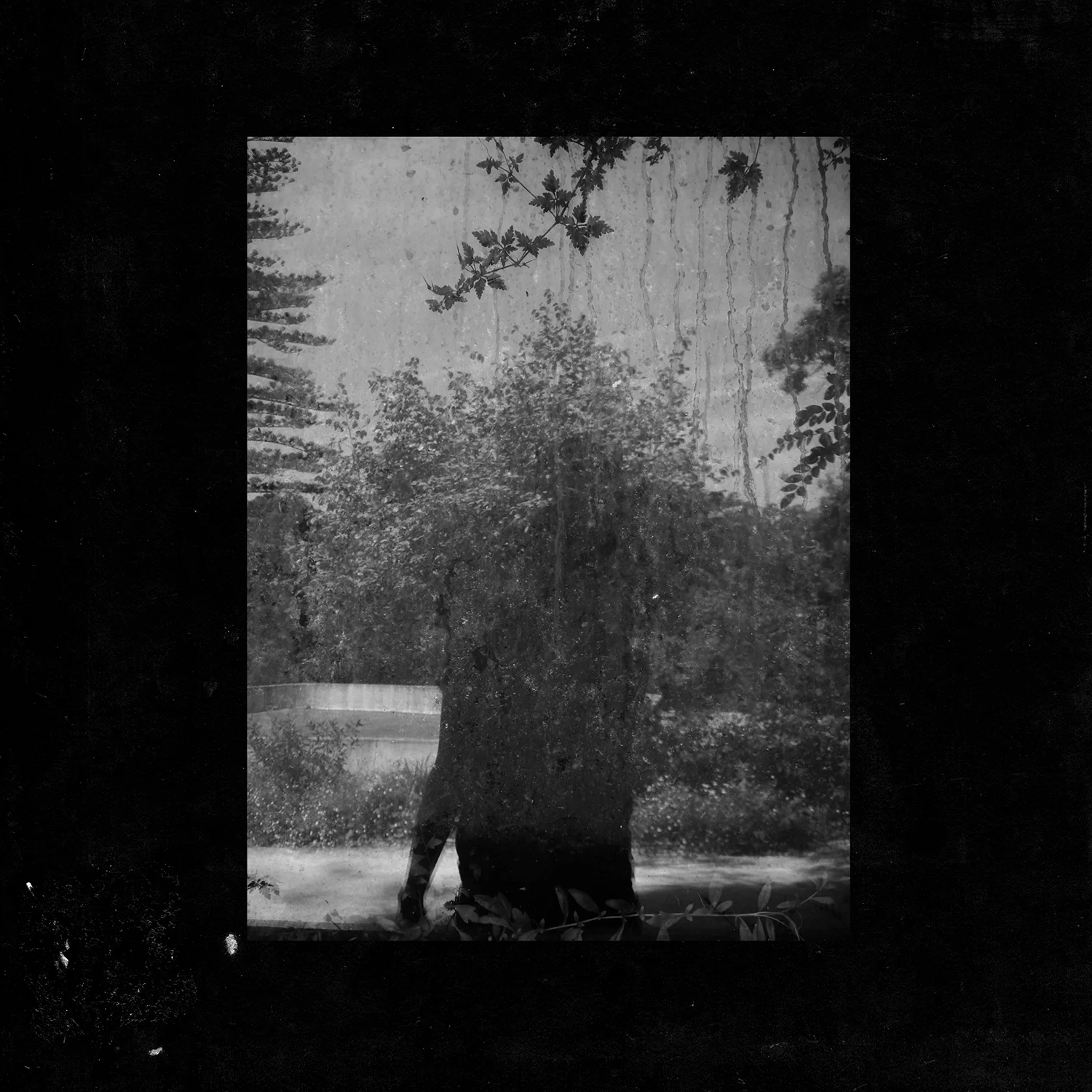
It’s hard to avoid words like ‘oneiric’ when talking about Liz Harris (AKA Grouper)’s music but it’s undeniably a quality that it typically exhibits. Maybe that’s why it’s so consistently compelling. It hangs heavy with mystery; the vocals are always just within reach, but slippery, indistinct, blurred. In an age where information on almost everything is instantly available, it teases you with words you can never quite understand, and notes muddied in endless shimmering reverb. Ruins (recorded in Portugal in 2011) does not completely discard of these qualities, but it does skew them.
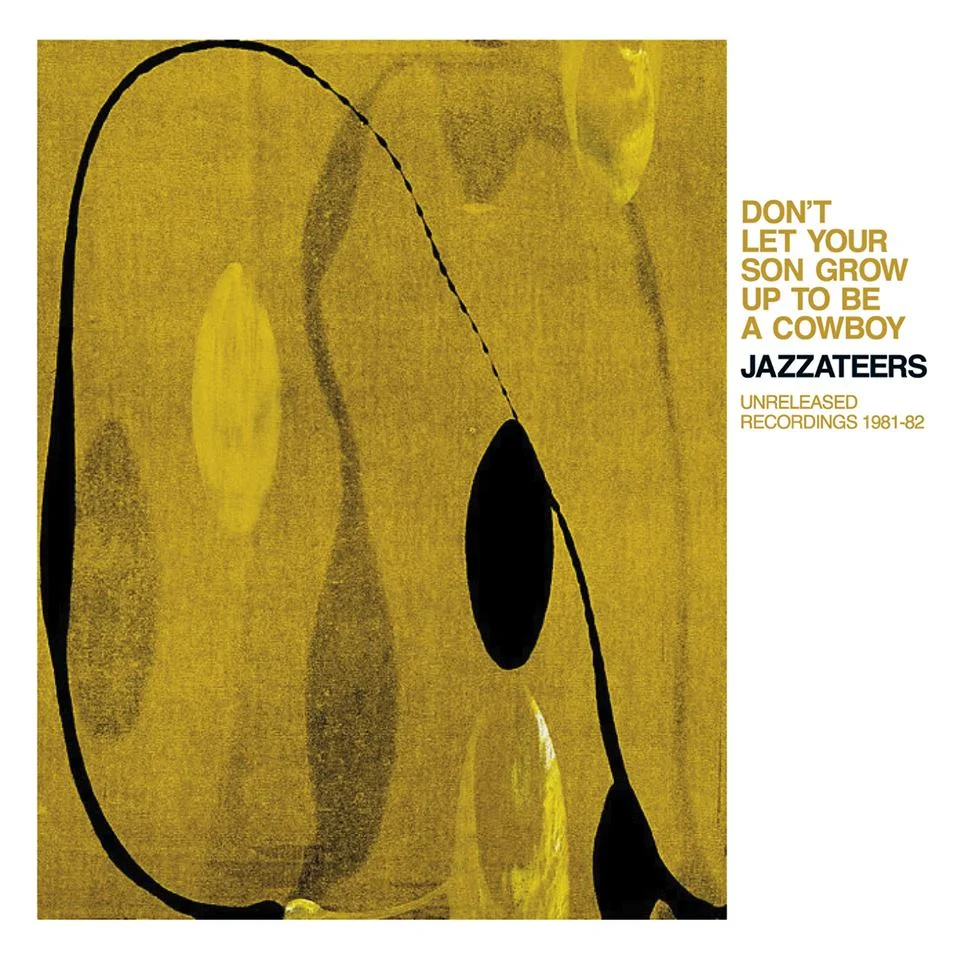
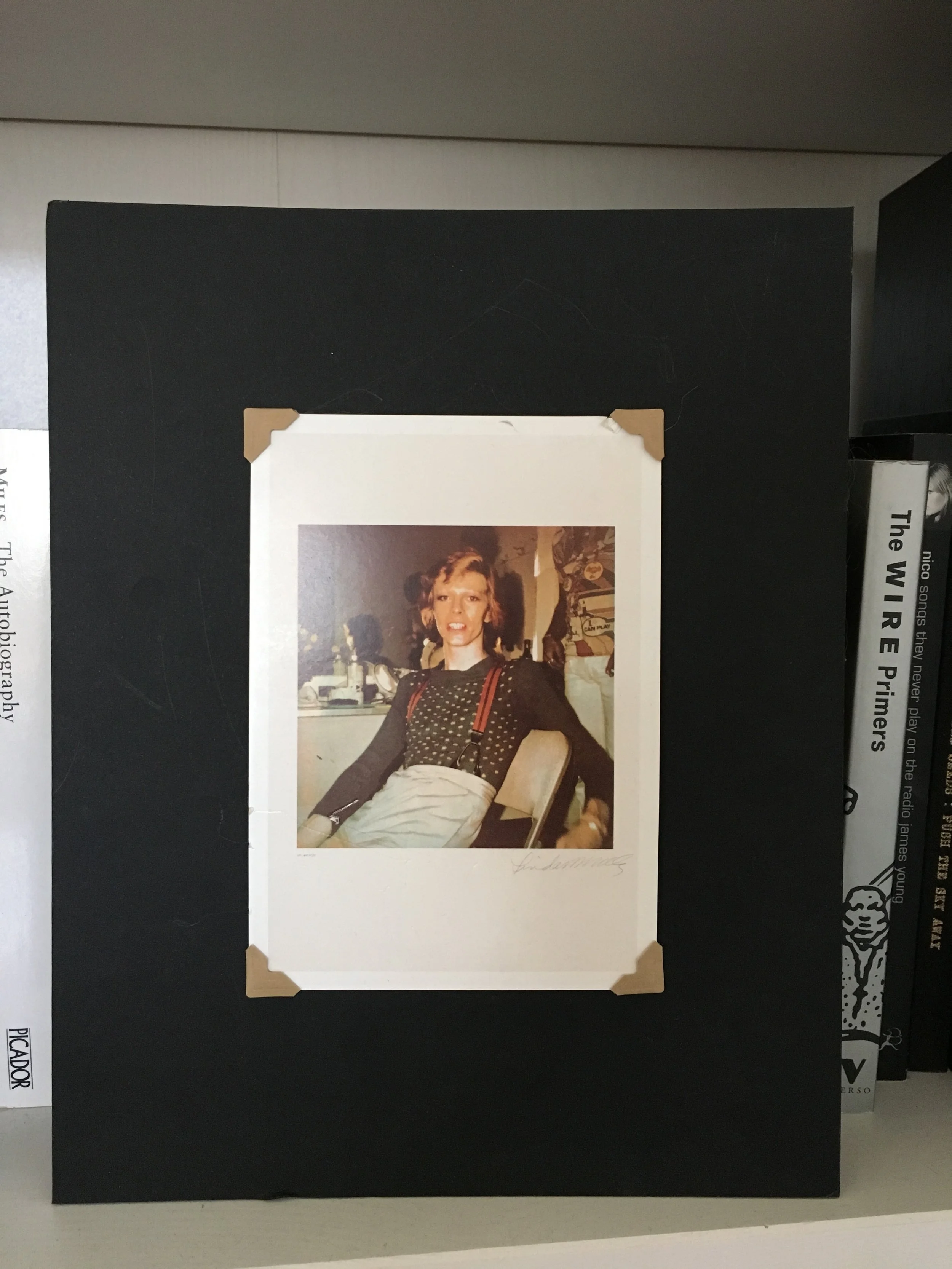
The original line-up of Jazzateers met by coincidence seeing David Bowie give his legendary performance as The Elephant Man in New York, despite all coming from the (then slightly Wilder) West of the Central Belt of Scotland. Ah yes, this was a (nearly) Postcard band after all. Tall tales aside, the band had numerous singers through its existence from 1980 to 1986, Don’t Let Your Son Grow Up To Be A Cowboy documenting their time fronted by Alison Gourlay, and her replacements, the sisters Rutkowski (later of This Mortal Coil); Paul Quinn was also in the Rutkowski-modified line-up but does not appear here and songwriter and guitarist Ian Burgoyne steps in to sing a couple of numbers too. One would expect a lack of cohesiveness as a result (this is a compilation, after all) but it doesn’t quite work out that way – there’s a definite split between the two bands, but it’s no less enjoyable as a result.



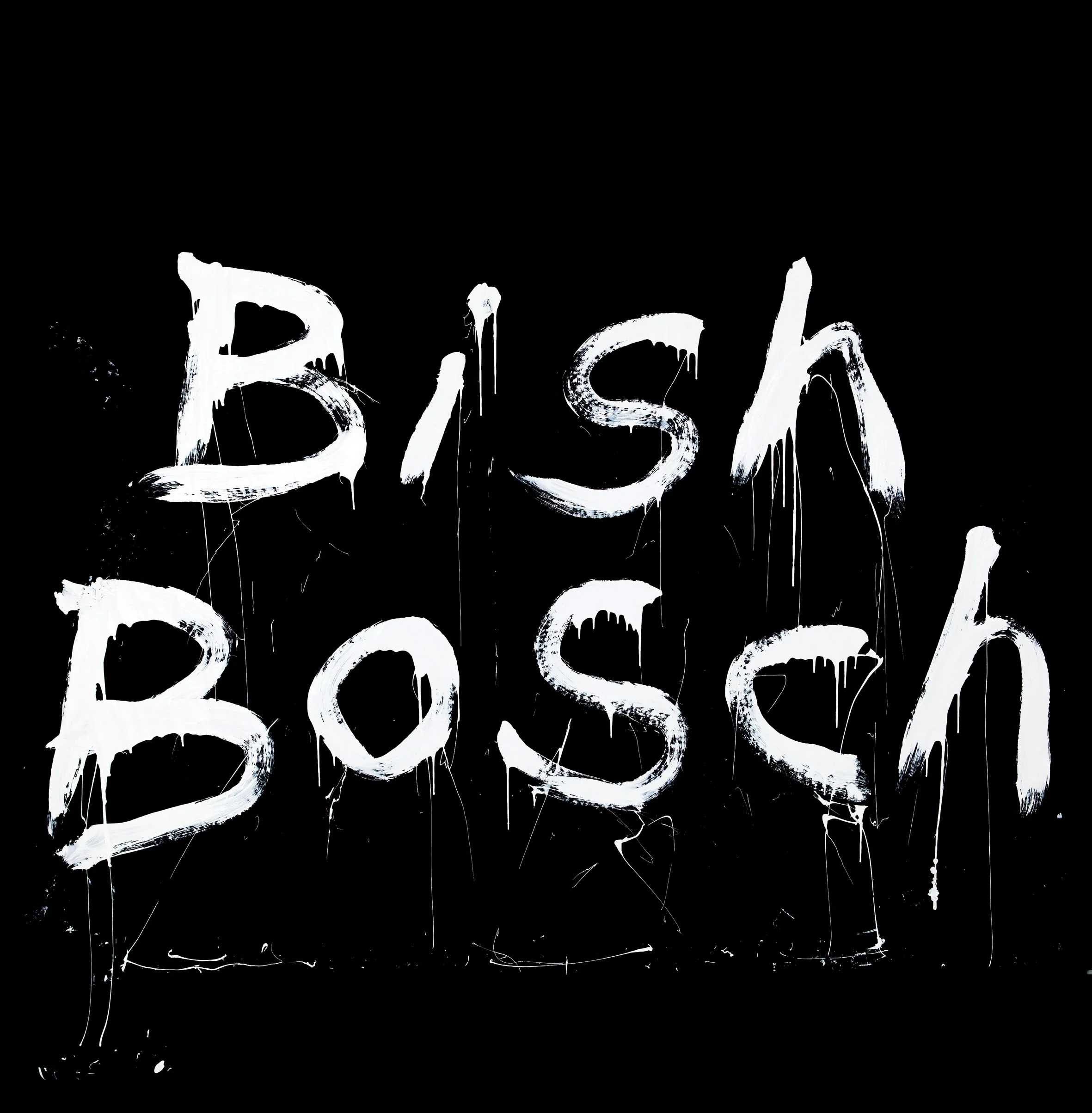
Bish Bosch is the much anticipated fourteenth studio album from 'Godlike genius' Scott Walker. Six years on from The Drift, Andrew R. Hill plumbs the depths with an extended analysis of the 'exhaustingly thrilling' record that may well be Walker's latter-day magnum opus.
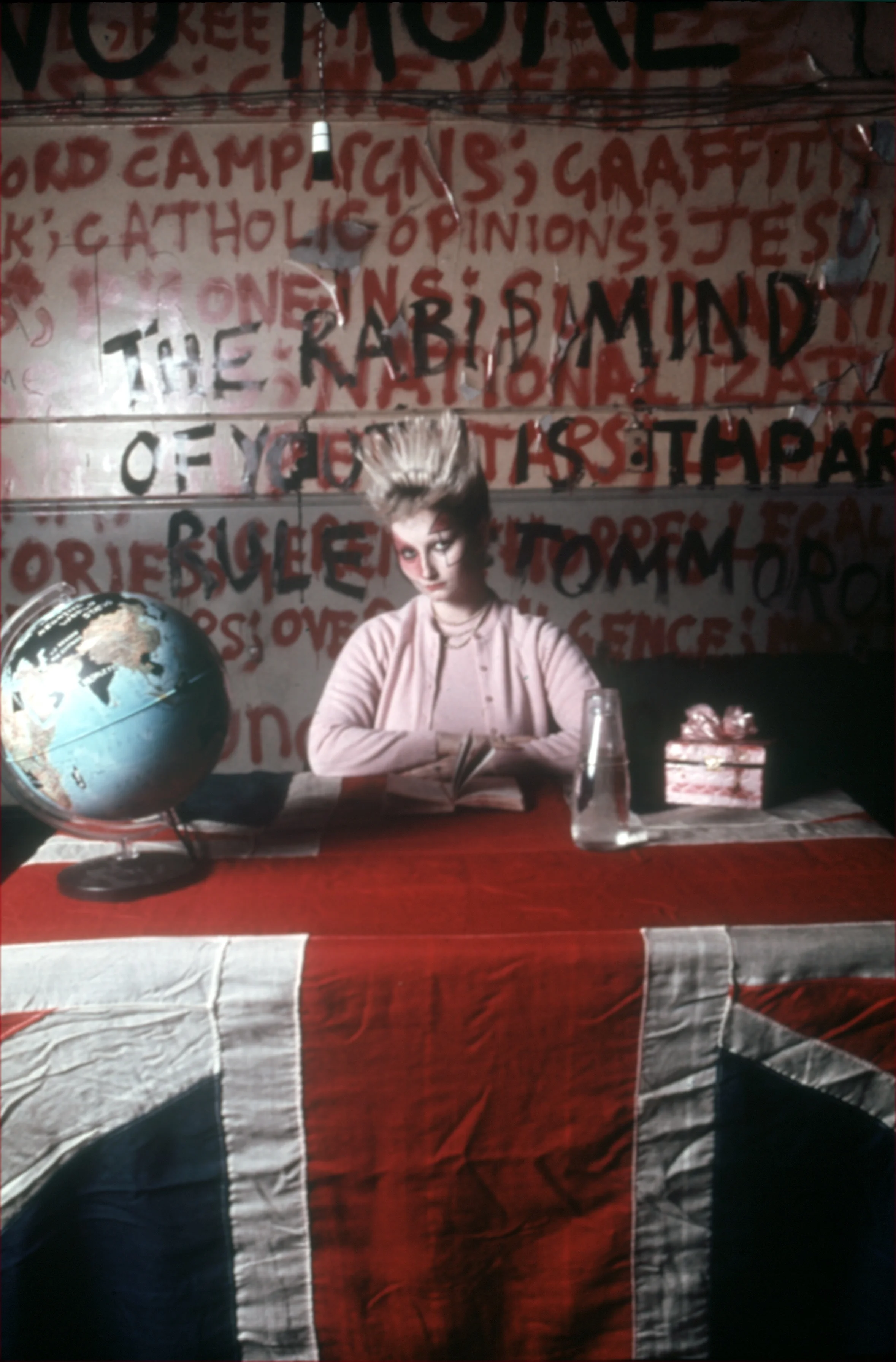
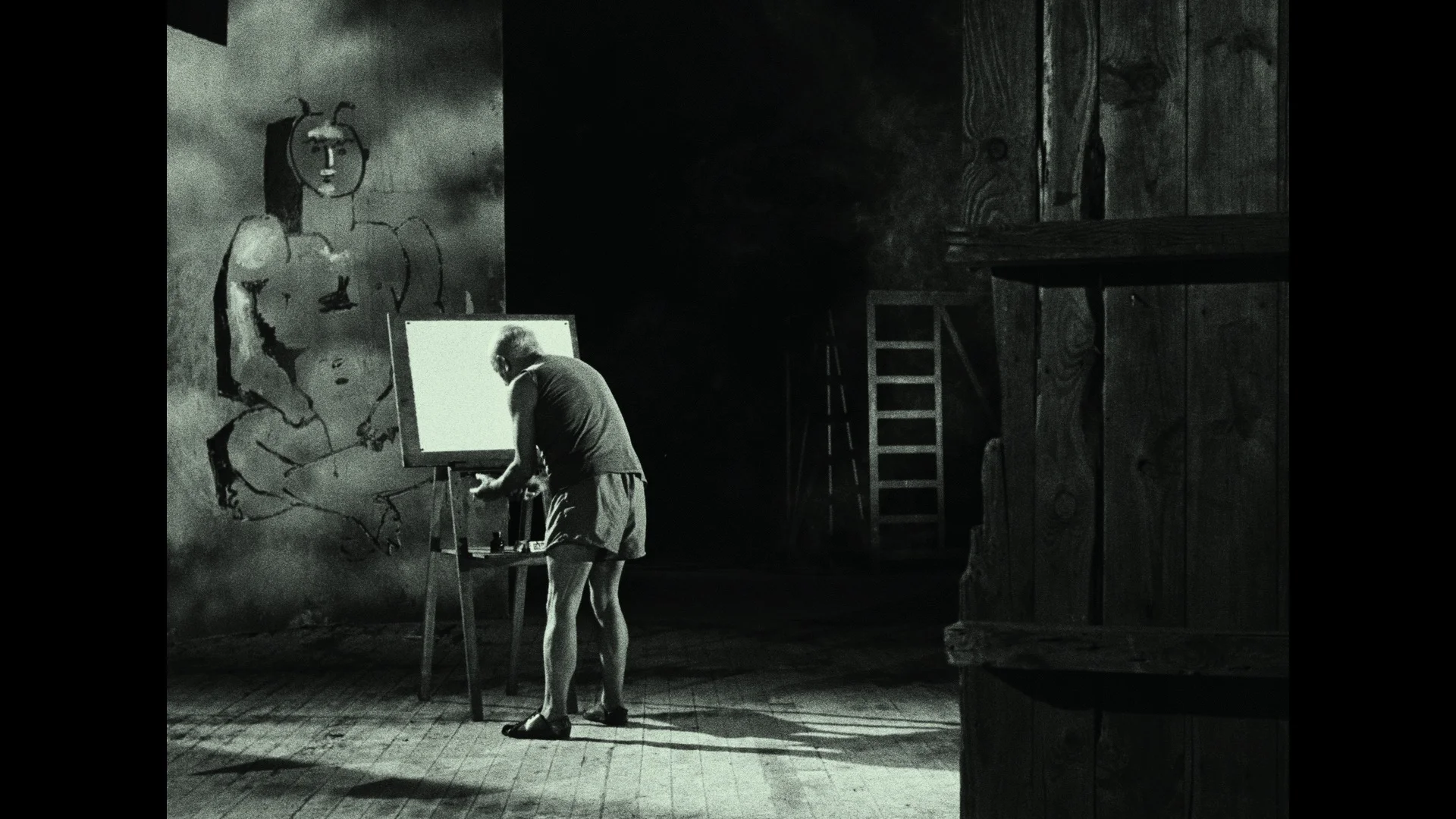
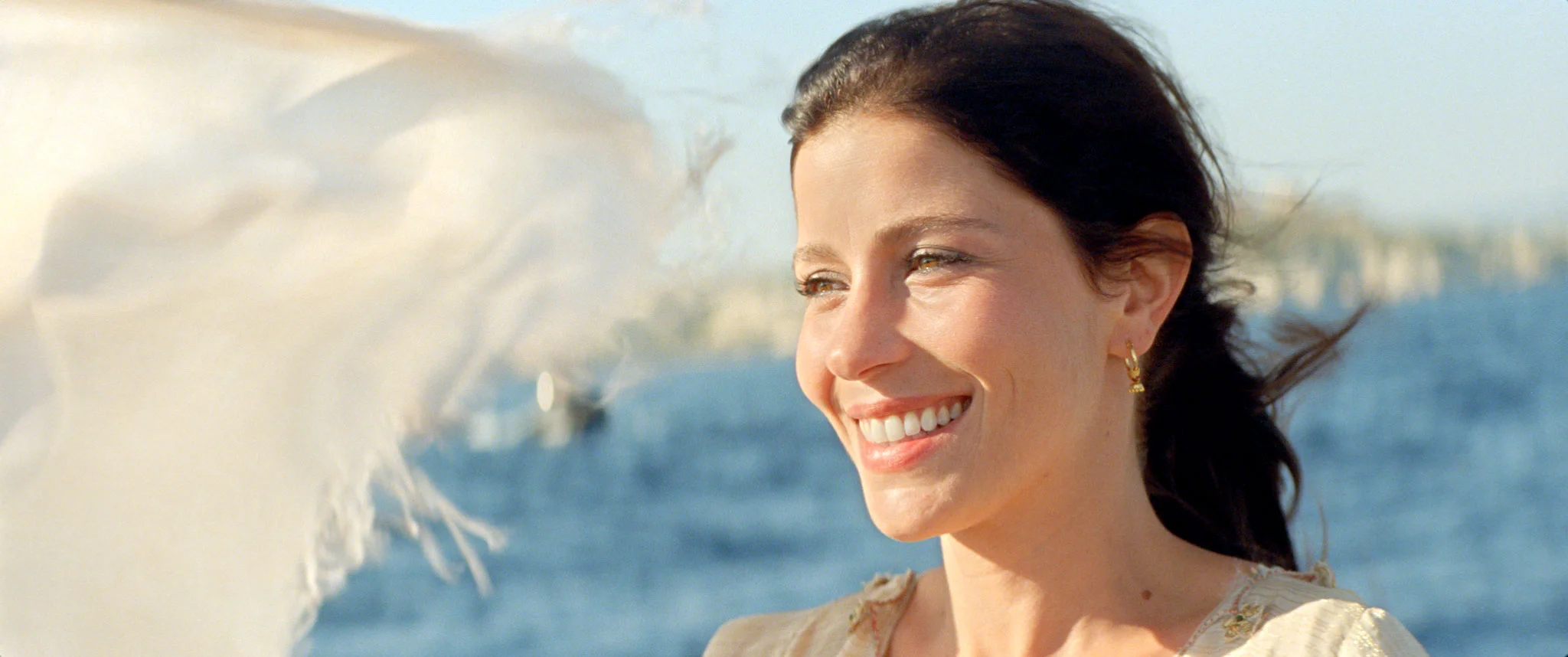
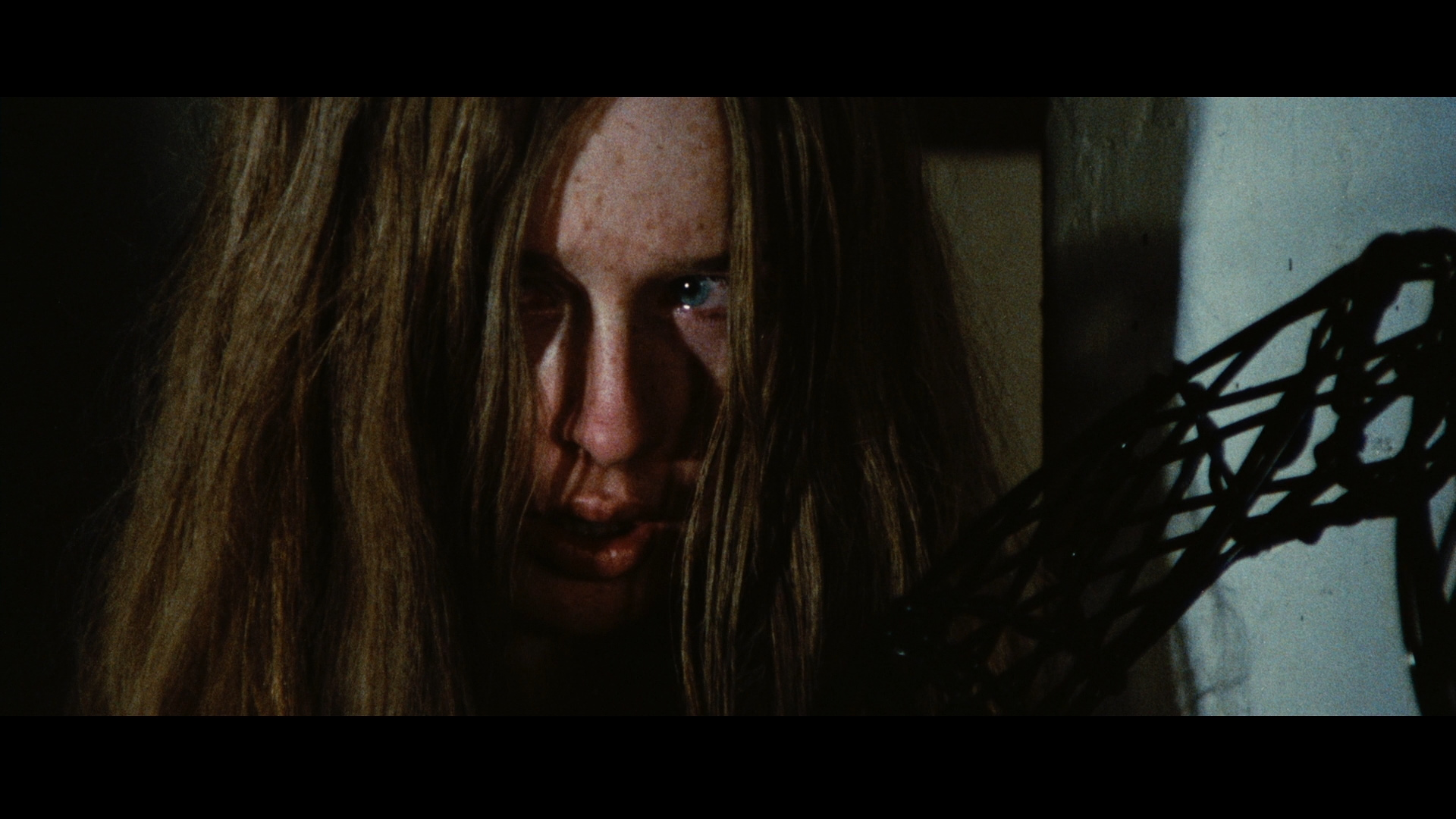
Arrow Video continue to impress with their Blu-Ray releases of Italian Giallo films - this time with Massimo Dallamano's salacious and disturbing What Have You Done to Solange?. The film was released in 1972 (at the height of Giallo fever) and it positions itself as one of the more intriguing exponents of the genres. Dallamano (who had previously worked as a DOP on Sergio Leone's A Fistful of Dollars and A Few Dollars More) delivers a lush-looking, highly disturbing and suspense-rich work that is enriched by Ennio Morricone's hunting score.
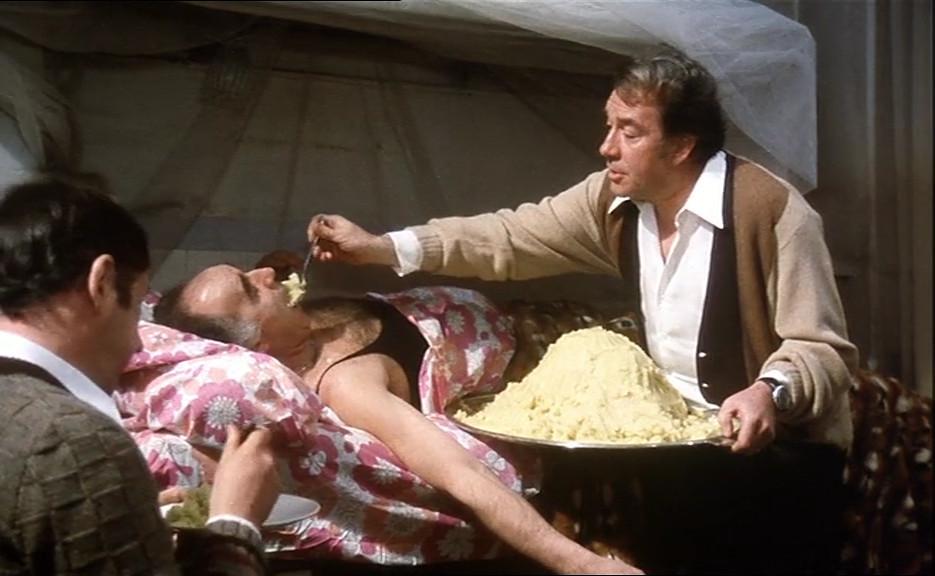
Arrow Films' recent release, Marco Ferreri's 1973 extremely dark comedy La Grande Bouffe, is unlikely to leave spectators indifferent - for better or for worse. Upon release, the film divided the public, who either hailed it as a masterwork of cutting social and political satire, or condemned it, as Roger Erbert caustically put it, as as a nihilistic 'chronicle of gluttony and self-hate'.
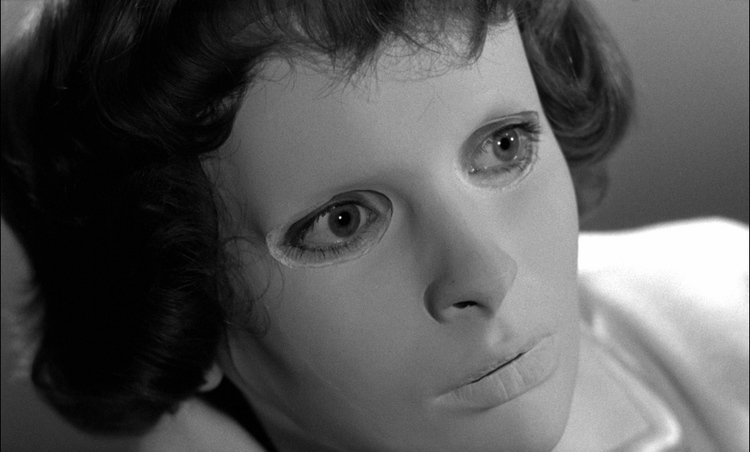
When Eyes Without a Face (Les Yeux Sans Visage) was presented at Edinburgh Film Festival in 1960, seven audience members fainted, prompting his French director, Georges Franju, to caustically remark: 'Now I know why Scotsmen wear skirts'. The film scandalised audiences around the world, and it nearly cost a job for a dissenting English critic who admitted she rather liked it.
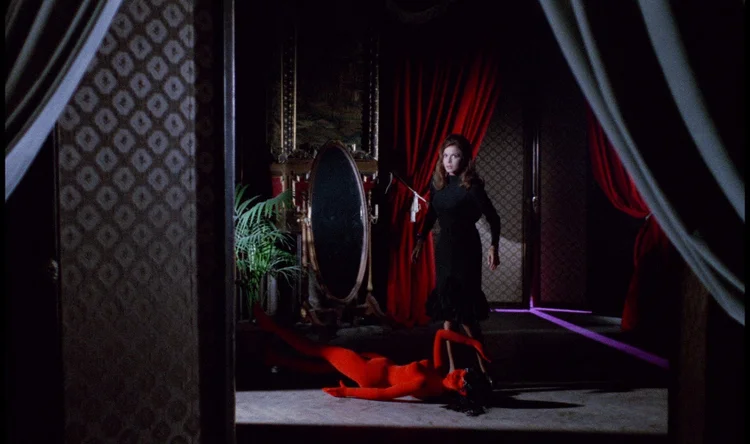
In lesser hands, Mario Bava's Blood and Black Lace could easily have been a stagey and stiff whodunnit. The plot's premise is simple: a model is killed by a mysterious masked figure on her way to a fashion house show and leaves behind a diary that could potentially incriminate her employers, colleagues and former partner - further intrigue and a murder spree ensue. The film is instead credited with genre innovation (and has influenced many an auteur,including Martin Scorsese), as it established of the Giallo peculiarities
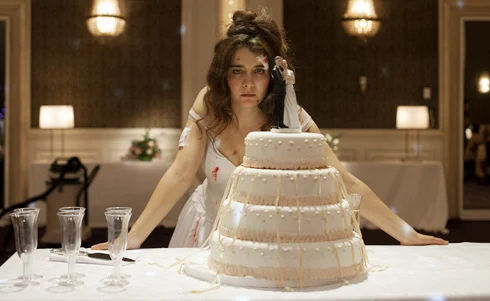
Anthology films (also known as compendium or portmanteau films) tend to be viewed with diffidence by critics, but being a life-long fan of the format (from Monty Python's The Meaning of Life to the excellent Monicelli/Fellini/Visconti/De Sica vehicle Boccaccio '70), I had very high expectations when I first heard of this Spanish-Argentinian gem being shown at Cannes last year.

Ana Lily Amirpour’s A Girl Walks Home Alone At Night has been described with the alluring ‘feminist Iranian vampire Western’ tagline. The description only partially fits this stylish, Jim Jarmusch-inspired feature. The protagonist (known as The Girl) is a vampire that wears a chador that looks like a superhero cape; she also wears a Breton top that recalls Godard's Jean Seberg, and favours a skateboard as her means on transportation.
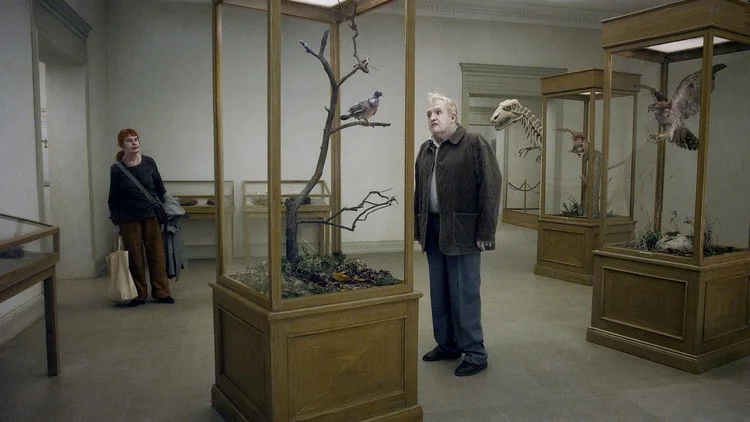
The tag that’s stuck assiduously to Roy Andersson since it was first applied to him is ‘the slapstick Bergman’ and it’s not wildly inaccurate. There’s an undeniable existentialist bent to his post-millennial trilogy of films, of which A Pigeon Sat on a Branch Contemplating Existence is the final part, and is, as the opening title tells us, ‘the final part of a trilogy about being a human being’. But this also rather sells Andersson short. ‘Slapstick’ undersells the deftness (if not the daftness) of his black humour, and its warmth.
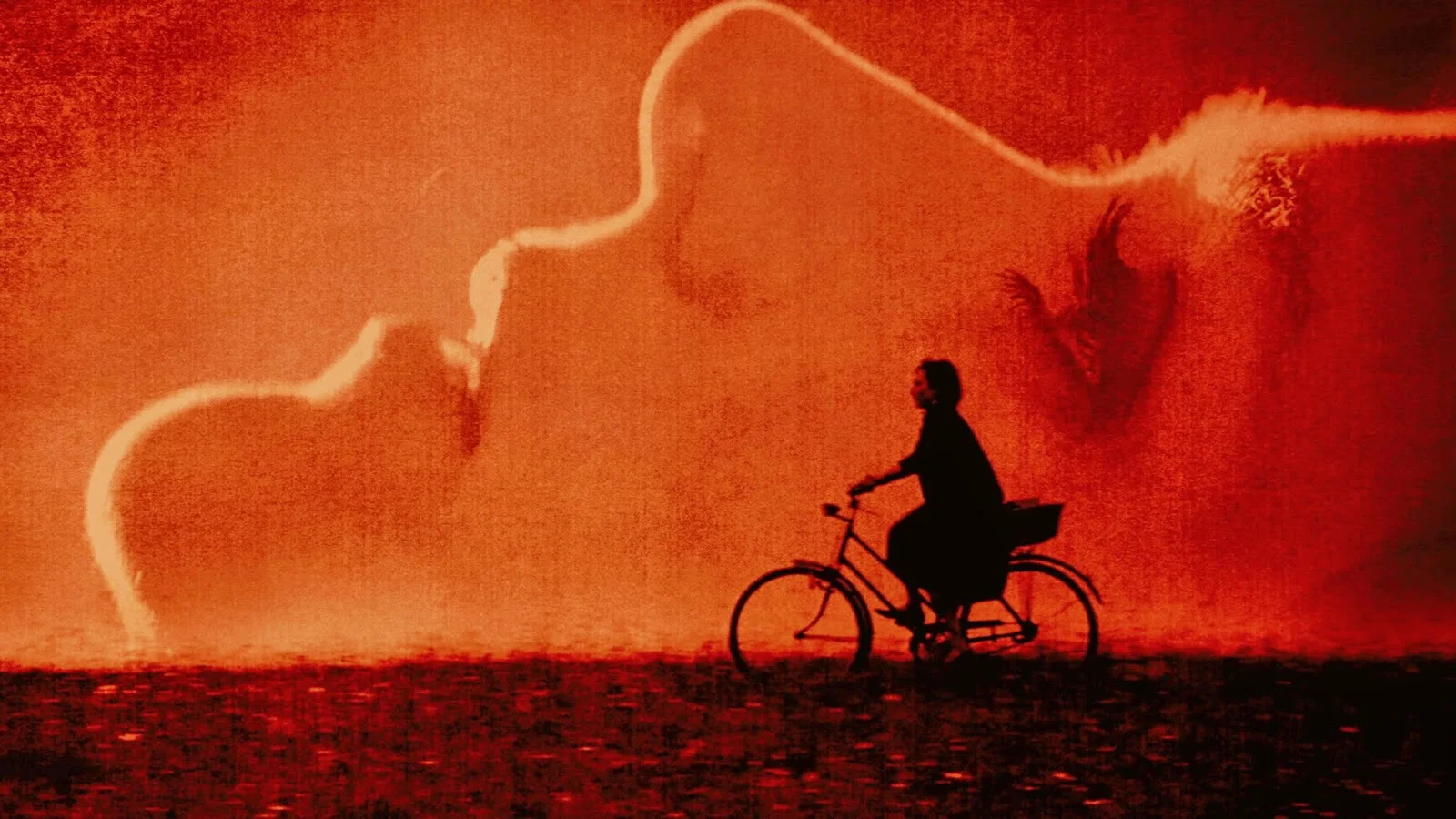
Every frame of Peter Strickland’s third feature is unbelievably beautiful – even when you can hear a woman urinating into another’s mouth (albeit behind a blue smoked glass door). Evelyn (Chiara D’Anna) is Cynthia (Sidse Babett Knudsen)’s maid and is subject to her icy, punitive will – only, as becomes evident very quickly, Evelyn isn’t actually her maid, she’s Cynthia’s lover and it is Evelyn that plans how she herself will be ‘punished’ for failing to wash the smalls properly. A disorientating exploration of the politics of control and love, The Duke of Burgundy is preposterous, fantastical, unsettling and bizarre, but it is also fascinating, absorbing, touching and visually stunning.
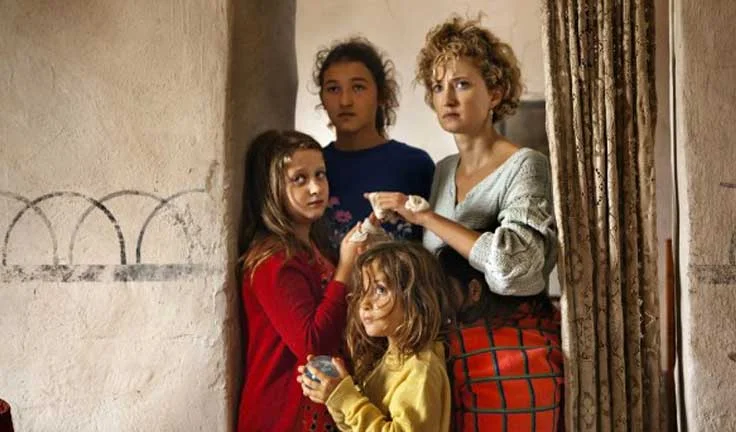
Alice Rohrwacher makes me feel proud of my Italian origins - born in Tuscany to a German father and an Italian mother, she is a young director that matches Blasted favourite Lukas Moodysson with her ability to subtly depict female protagonists on the brink of adolescence: if you haven't seen her debut feature Corpo Celeste, we recommend you do at the earliest opportunity.
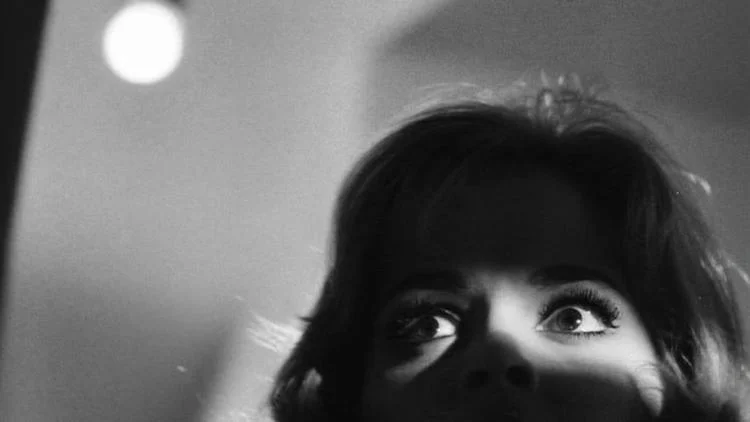
Another week, another Arrow Video Bava release. This time we have The Girl Who Knew Too Much (La Ragazza Che Sapeva Troppo, 1963), a film considered by many to be the first Italian giallo. While nodding firmly in the direction of Alfred Hitchock (at first impression, the title might even suggest a Hitchcock parody of some kind!), it certainly introduced some of the features that were eventually to become commonplace within the subgenre: in this case, an innocent tourist that witnesses a crime and becomes an amateur detective, a mysterious serial killer, and a convoluted plot with a twisted surprise ending.

Mario Bava (1914-1980) was an influential yet incredibly underrated Italian director (or, as he would have put it, a 'humble artisan of cinema'). During his long and prolific career, he experimented with a number of different genres (horror, sci-fi, peplum, western) with mixed results. He is mostly well-known for his supernatural horror films Black Sunday (1960), Black Sabbath (1963) and Kill, Baby Kill (1966), and for consolidating the 'classic' formula of what is known as the Italian Giallo with The Girl Who Knew Too Much (1962) and with his lush, spellbinding Technicolor masterpiece, Blood and Black Lace (1964).

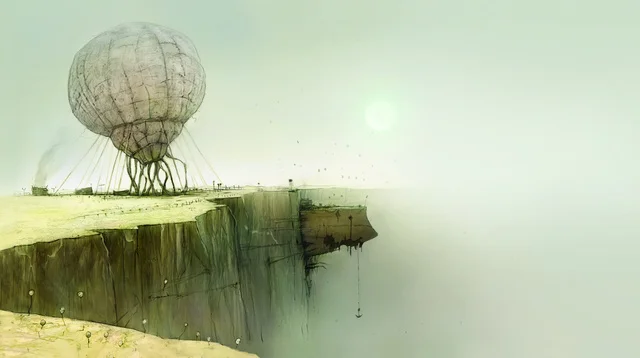

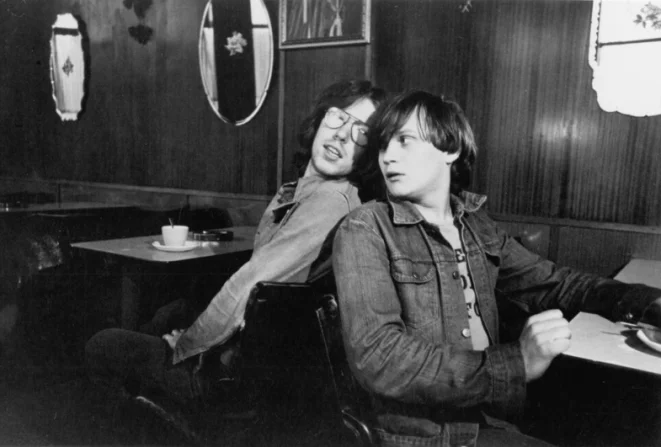
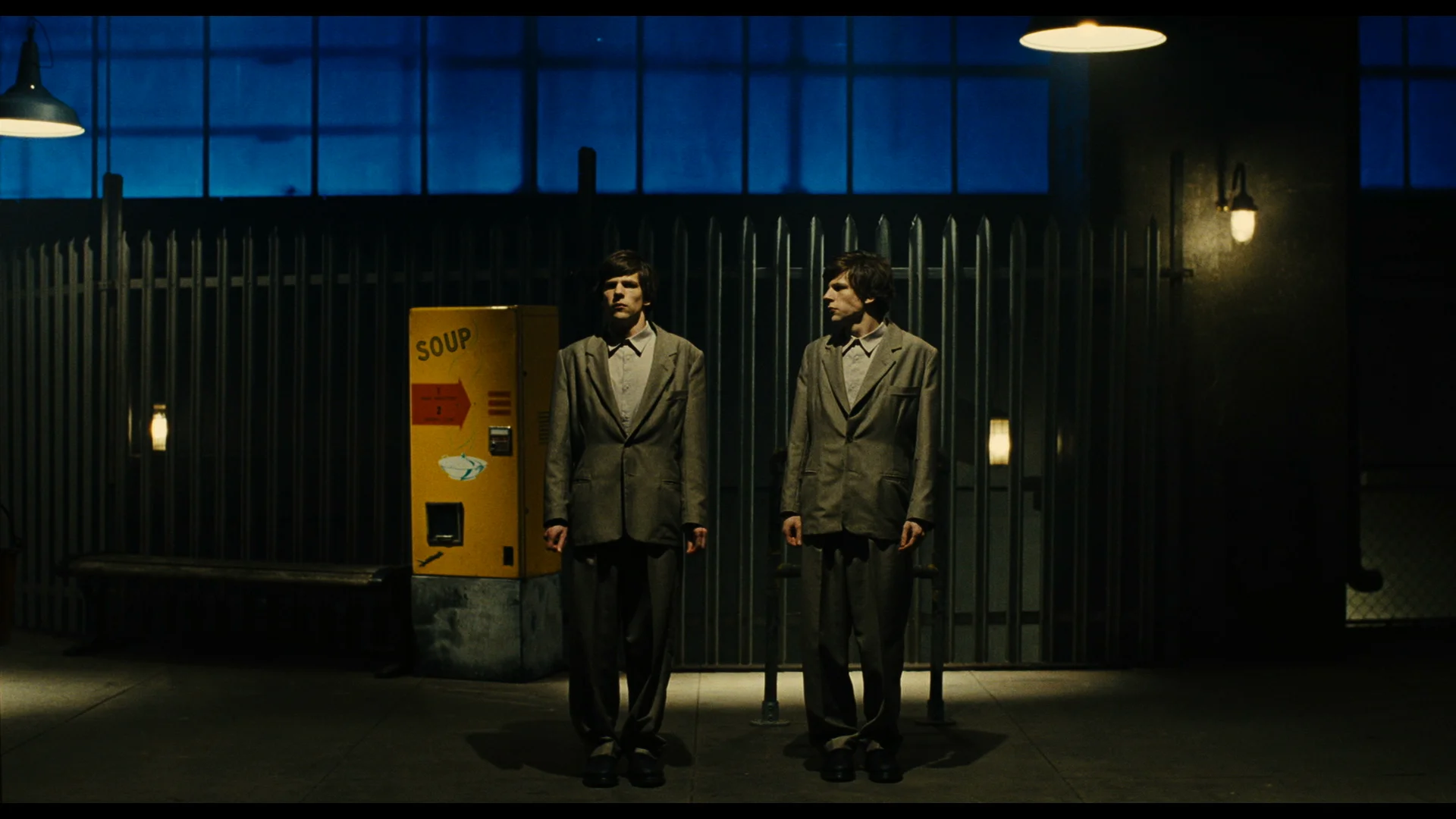
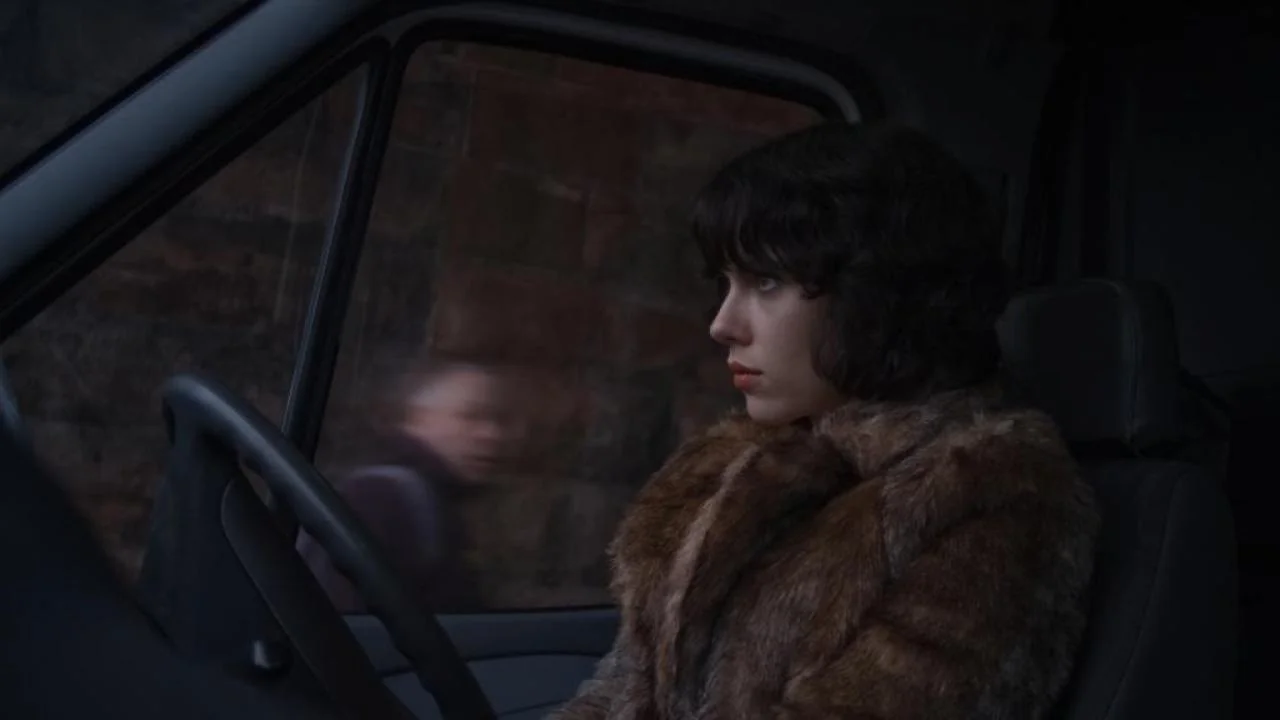


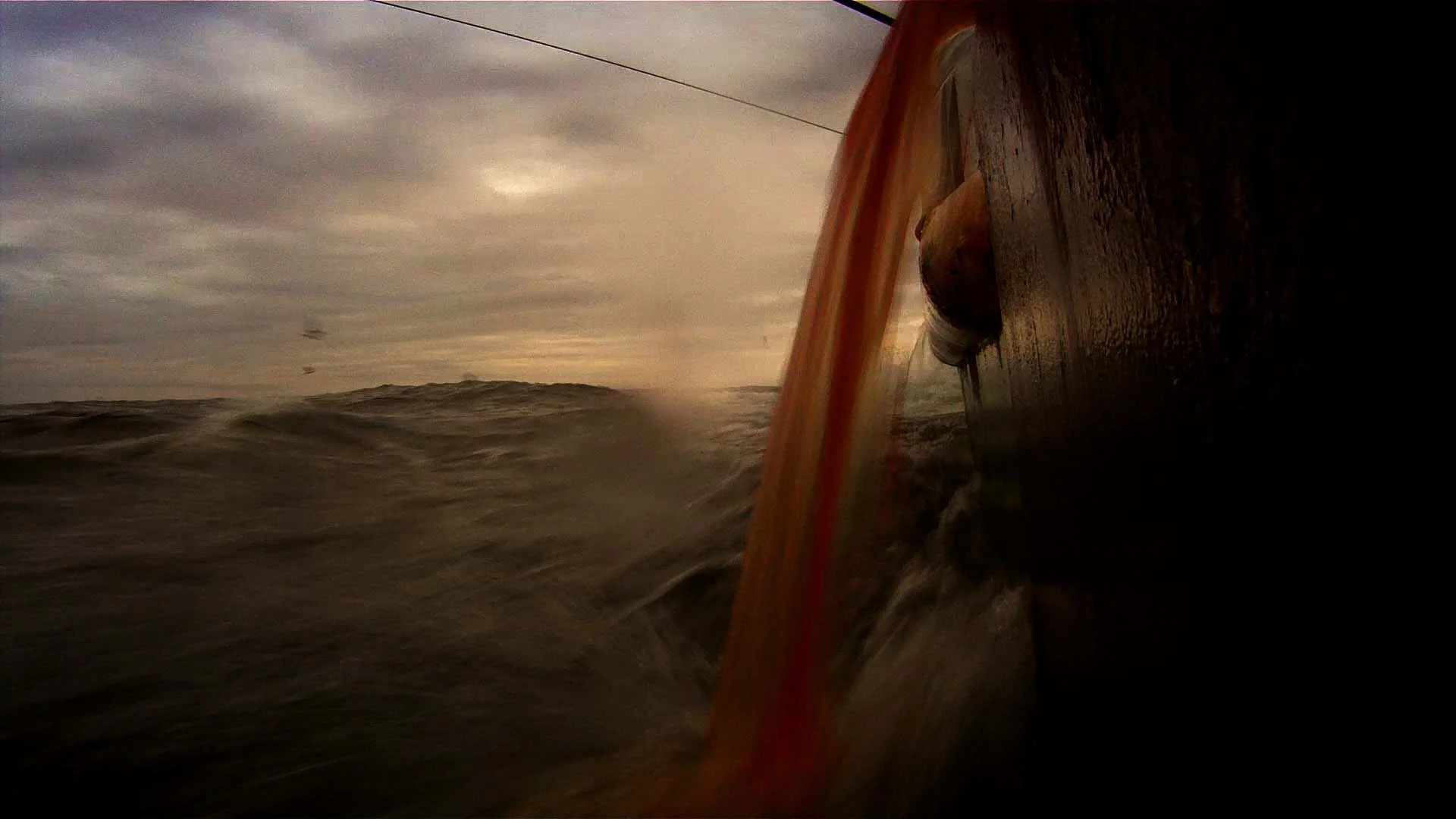

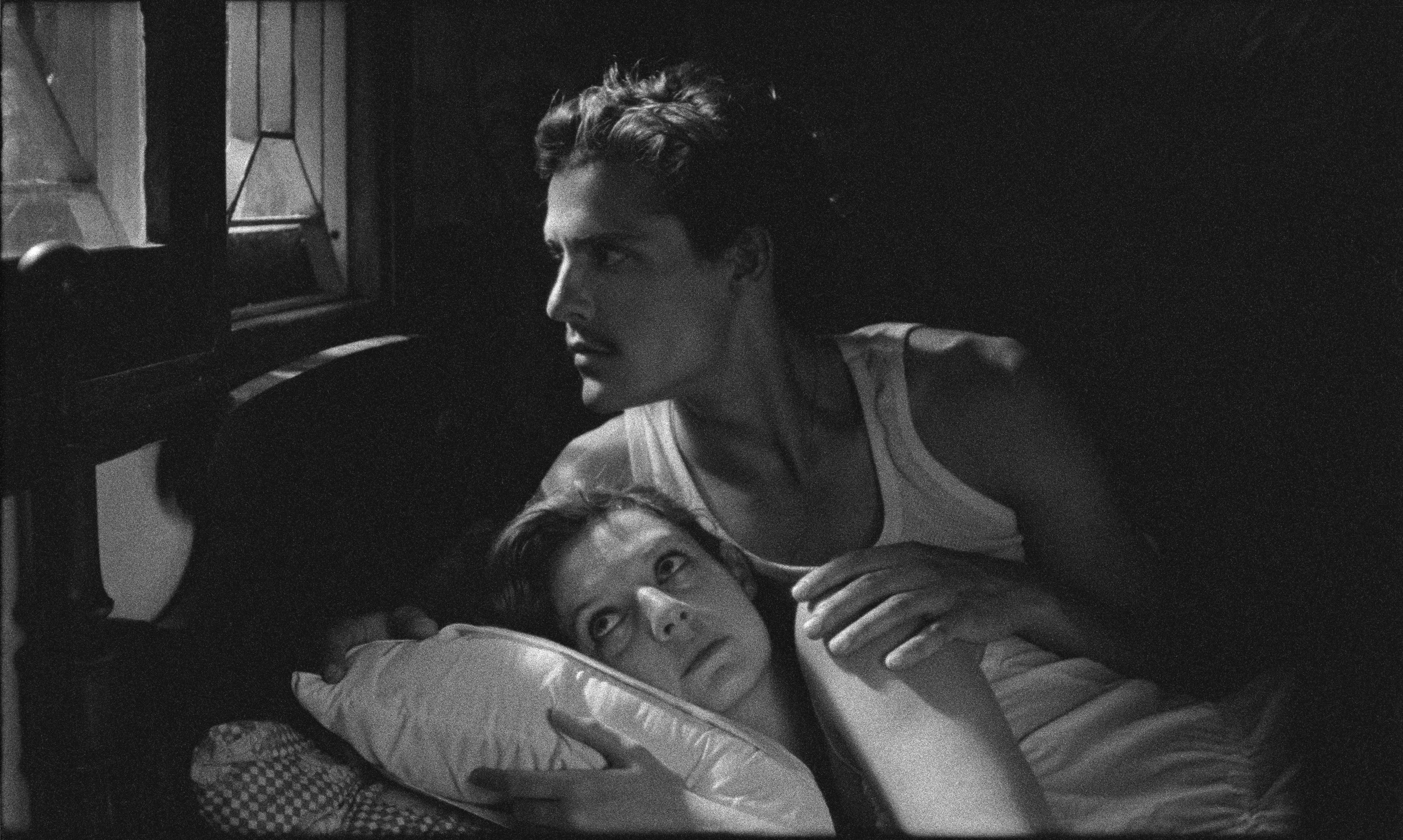
A cinephile’s paradise, from Lisbon to Mozambique: Erika Sella revels in Miguel Gomes’ sublime story of love, memory and loss.

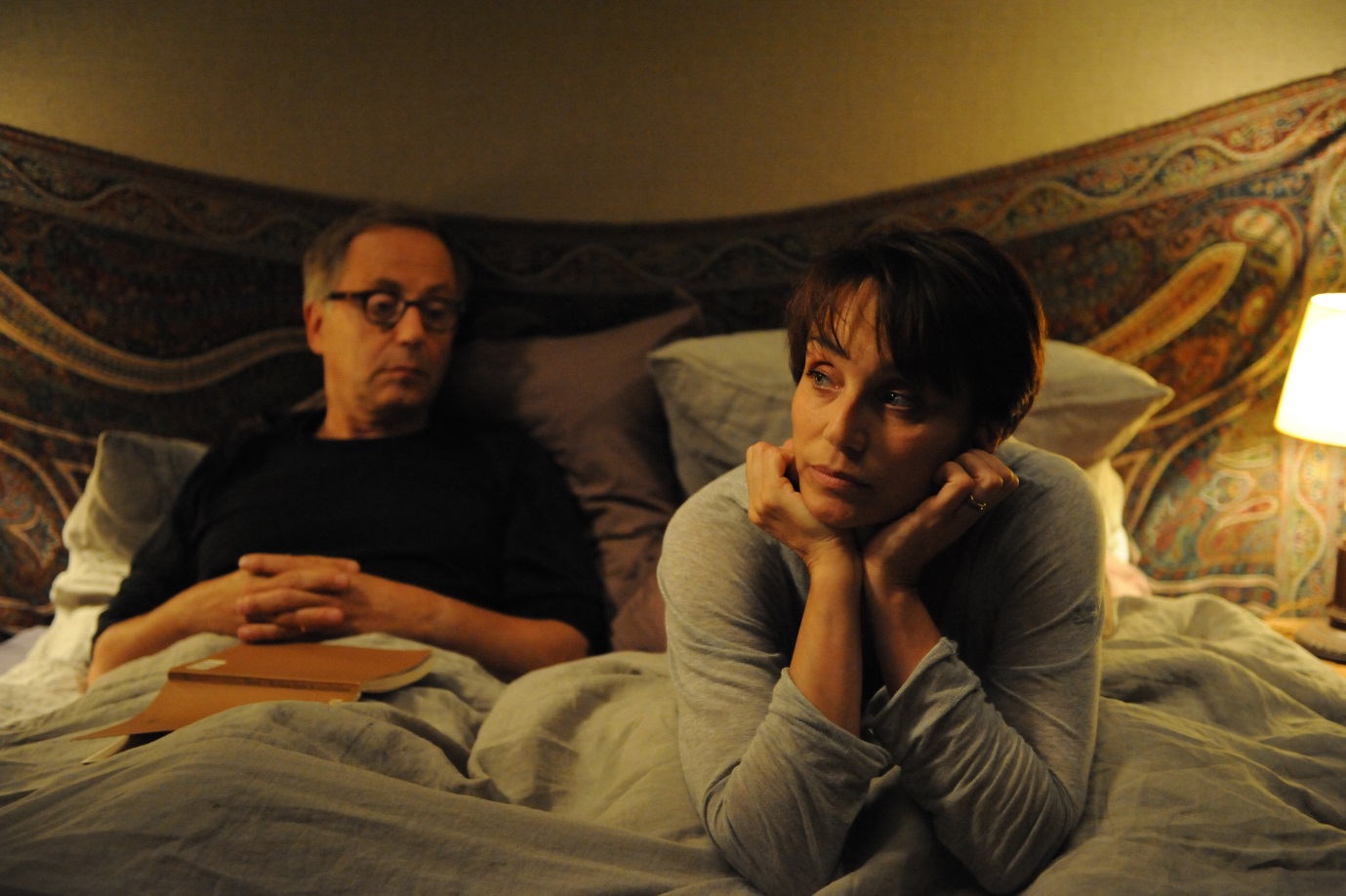
Austrian director Michael Haneke is notorious for an unflinching and uncompromising approach to the violent and the taboo. As Erika Sella finds, his eye is no less unyielding in his new film as he tackles inescapably universal themes: ageing and Amour...
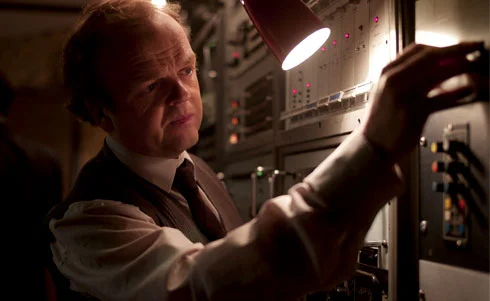
Erika Sella delves into the murky world of 1970s Italian, as seen through the eyes of a shy and retiring British Foley artist, in her review of Berberian Sound Studio.


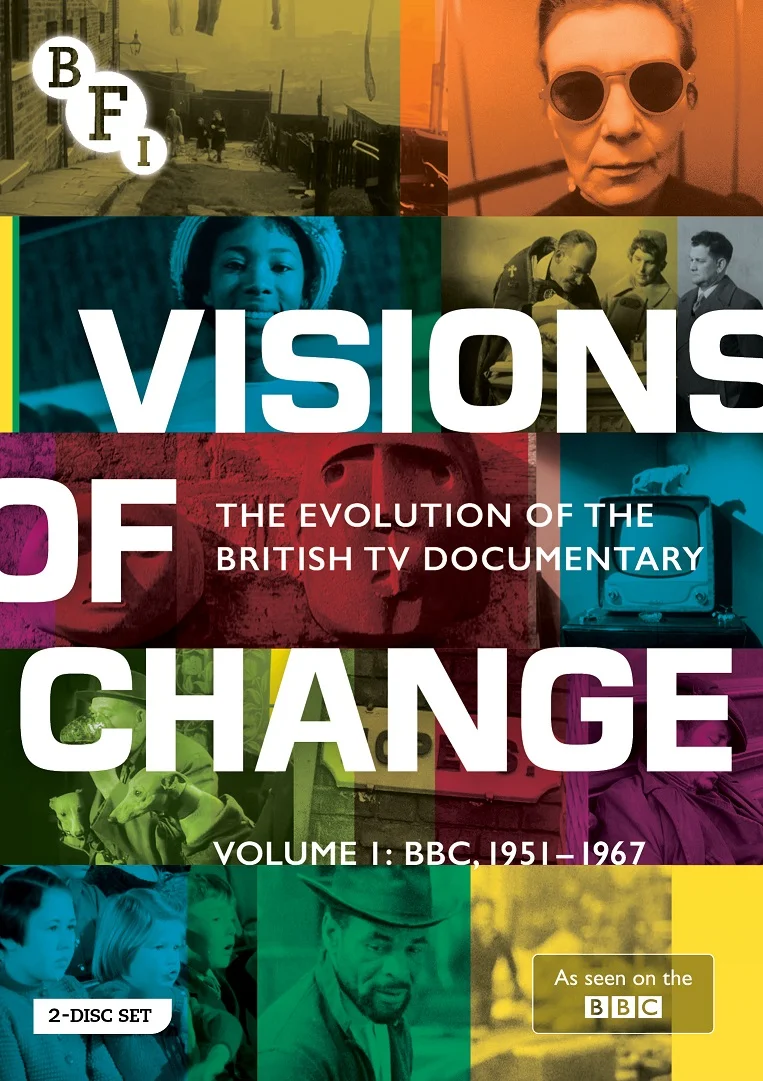
Visions of Change: The Evolution of the British TV Documentary Volume 1: BBC 1951 – 1967 is part of the British Film Institute's ongoing effort to chronicle and reappraise the UK's contribution to the documentary form.
This double DVD set features ten BBC-produced documentaries by directors such as Ken Russell, John Schlesinger and Dennis Potter and focuses on wide range of topics - from a poetic look at the work of sculptor Henry Moore to an impressionistic take on the life of an unnamed Northern city, from a science-based piece focussing on test flights to a fly-on -the-wall documentary on a dispute over redundancies at a car delivery firm.
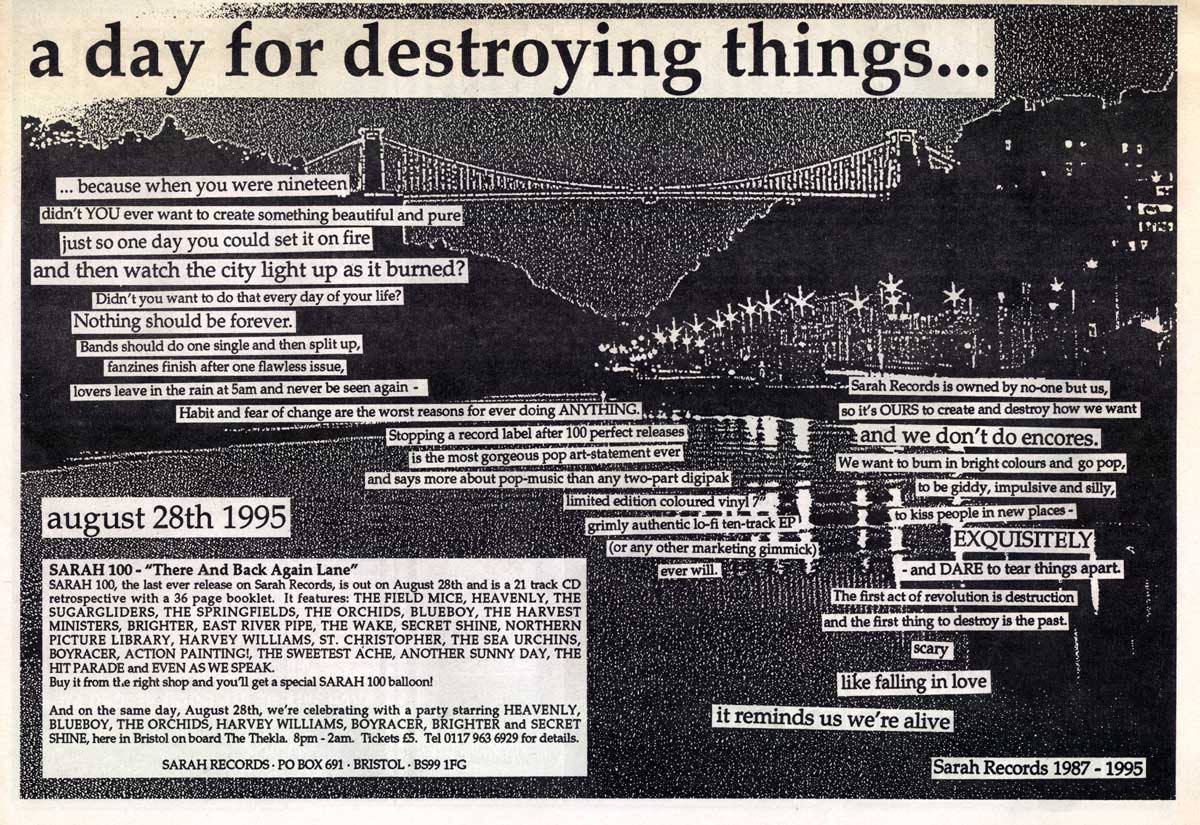
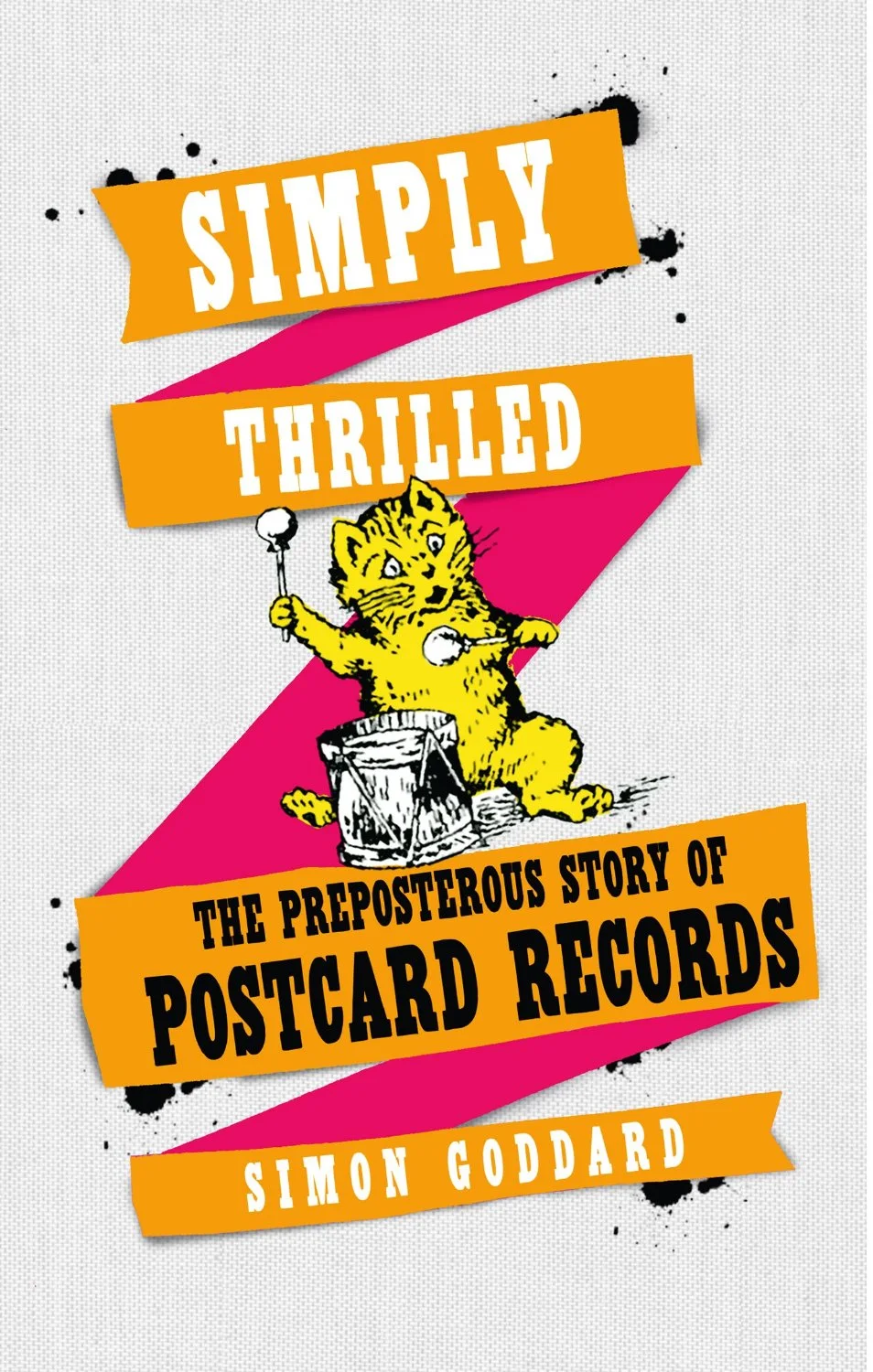
Sarah Records was a Bristol-based independent label run by Clare Wadd and Matt Haynes between 1987 and 1995. Committed to socialism and feminism and influenced by the fanzine culture and the DIY attitude of earlier UK music scenes, Sarah was as much about politics as it was about music. Equally revered and loathed, the label came to define a certain kind of wistful, melancholic indie pop (the kind that detractors - usually male rockist music journalist - often called 'twee', 'insipid' and 'sexless') whilst making agit-prop statements through their fanzines, written communiqués and objet d'art (their 50th release was a board game).
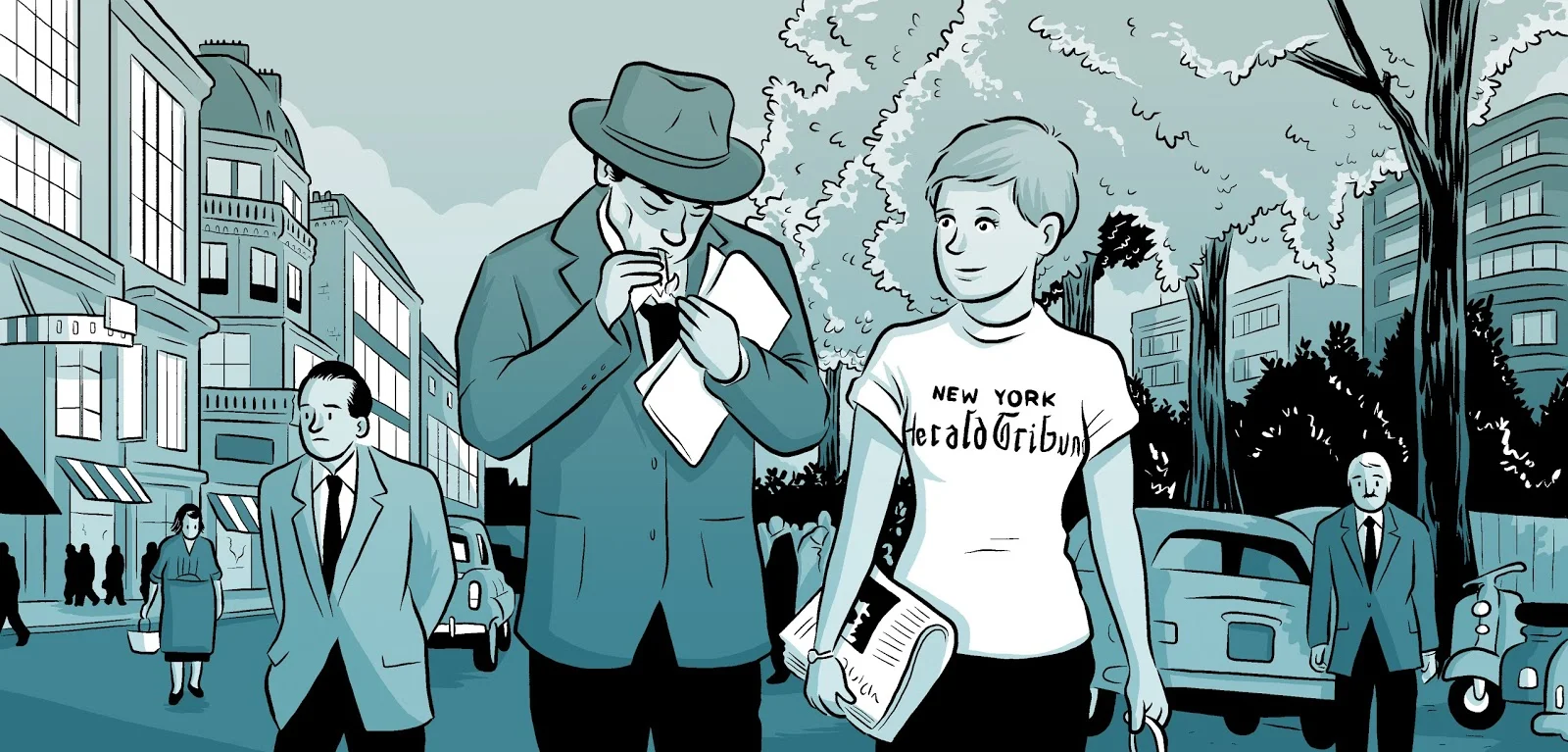
Edinburgh-based graphic artist Edward Ross uses comics to guide the reader through cinema's history and to illustrate the ideas and concepts behind classic and cult films. If you are a Filmhouse regular, you might already be familiar with his insightful comic book essays on film theory - intelligent yet accessible (and downright fun) pamphlets that tackle subjects as diverse as food on film, point of view and set design.
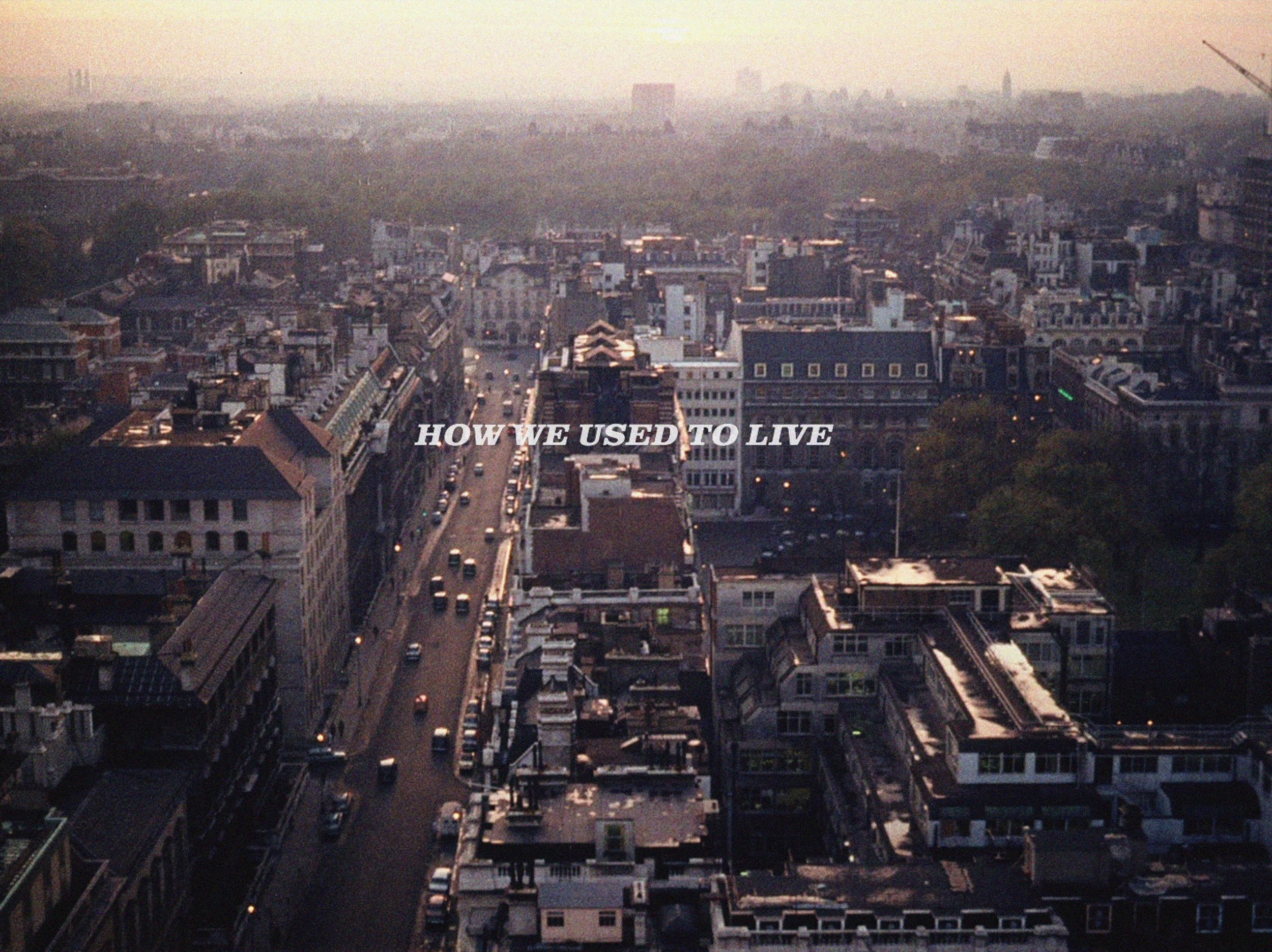
Blasted first encountered director Paul Kelly's work with his 2011 portrait of former Felt frontman Lawrence. This summer, his 2013 film How We Used To Live has been on tour with a live soundtrack performed by Saint Etienne, including a screening back in May for Monorail Film Club at the GFT. An email from the Film Club prompted us to look further into Kelly's work and a filmography - whether you are a fan of Saint Etienne or not, his London Trilogy made in collaboration with the band, and the complementary short films, are essential viewing
It’s questionable now that you would in actuality never hear this Arthur Russell song on the radio. Not so long ago many an eyebrow would have been raised at the notion that you might, but in the time since I first knowingly heard him on 2008’s superlative Optimo (Espacio) mix Sleepwalk (never mind his death in 1992) his popularity seems to have grown exponentially. The song on the Optimo mix was ‘This Is How We Walk On The Moon’, and even on that strange, nocturnal, hypnagogic record (a record that I would happily call one of my favourites) it stood out as particularly otherworldly

At this risk of being cheesy or over-earnest, from our slightly advantaged position in Scotland, this is for our friends (old/new/yet-to-be) in the rest of the UK that have five years of horror ahead of them. To some degree or other we stand to be subjected to its travails too, and it will be difficult, whether through direct experience or by merely bearing witness to its effects.
The 2015 Glasgow Film Festival kicks in to action today, and what a treat it promises to be. For the next fortnight with films, gigs and events from Bergman to Burroughs, Casablanca to cat videos, The Tales of Hoffmann to Talking Heads, and (almost) everything in between.
...aaaaand we’re back. And with the least conventional Songs They Never Play on the Radio yet, at that. Like many bands from the NZ ‘scene’ teetering on the fringes of the famous (yet still inadequately documented) Flying Nun, there isn’t much information on Dadamah, even in the sometimes seemingly comprehensive expanse of the internet.
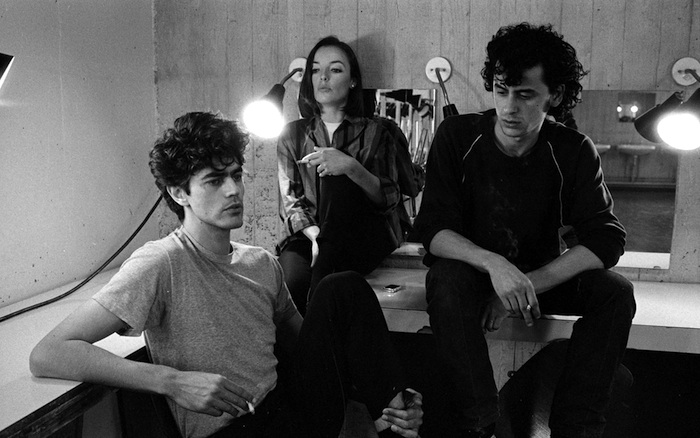
So, after a bit of a break, another Song They Never Play on the Radio. This may be the most obscure entry yet, although there is some competition - a band formed in Montpellier that only released one EP on Atem in 1983 (although further tracks appeared on a CD compilation in 2011). Only six songs long, Untitled (as it's titled, or, er, not) is a fleeting but absorbing listen.
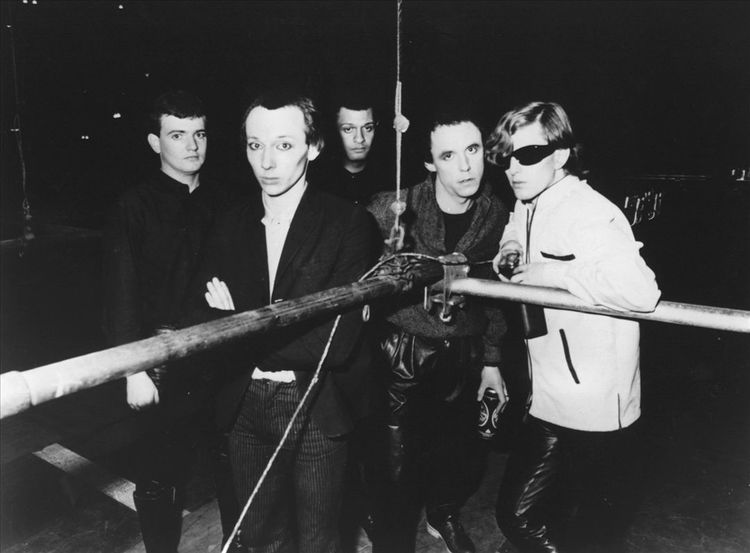
Over the last couple of years, Magazine’s debut Real Life has gradually crept from the fringes of my consciousness to become one of my favourite albums. I’ve owned it for three or four years (or maybe even longer) but other than ever-brilliant Shot By Both Sides, early listens failed to pierce my heart, mind or sou




Edinburgh-based but outward-looking, Blasted is an arts journal focussing on music and cinema, with a strong emphasis on the independent, the DIY, the local, the forgotten and the off-kilter.
Blasted was founded and is edited by Andrew R. Hill and Erika Sella who have, between them, written for Artrocker, The List, Muso’s Guide, Stereokill, The 405, The Student, The Glasgow Guardian and Brazen Magazine.
[N.B. It's best to use a browser other than Internet Explorer for this website - it won't look as it's intended, otherwise.]